Surprise Wars – Failure in Collecting Intelligence vs. Failure in Intelligence Assessment vs. Failure in Leaders’ Decision-Making: The Case of the USA’s Failure to Predict the Iraqi Invasion of Kuwait
https://www.rozen-bakher.com/timeline-risks2/09/04/2022/2029
Published Date: 09 April 2022
Rozen-Bakher, Z., Surprise Wars – Failure in Collecting Intelligence vs. Failure in Intelligence Assessment vs. Failure in Leaders’ Decision-Making: The Case of the USA’s Failure to Predict the Iraqi Invasion of Kuwait, Risks Timeline by Dr. Ziva Rozen-Bakher, 09 April 2022, https://www.rozen-bakher.com/timeline-risks2/09/04/2022/2029
Risks Timeline by Dr. Ziva Rozen-Bakher
Comments on Contemporary Risks by Dr. Ziva Rozen-Bakher
Risks Timeline by Dr. Ziva Rozen-Bakher https://www.rozen-bakher.com/timeline-risks-all

Dr. Ziva Rozen-Bakher
Researcher in International Relations and Foreign Policy with a Focus on International Security alongside Military, Political and Economic Risks for Foreign Direct Investment (FDI) and International Trade
09 April 2022 at 20:29. Surprise Wars.
What is the difference between intelligent failure and failure in the decision-making of political leaders?
What is the difference between a failure in collecting intelligence and a failure in the intelligence assessment?
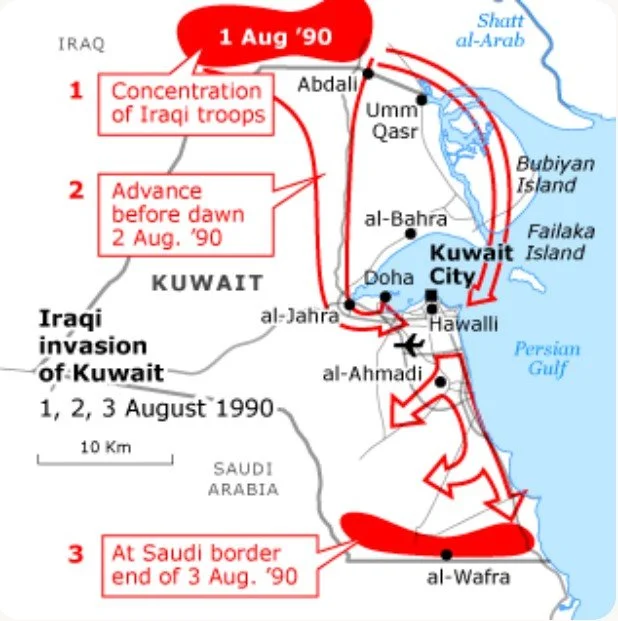
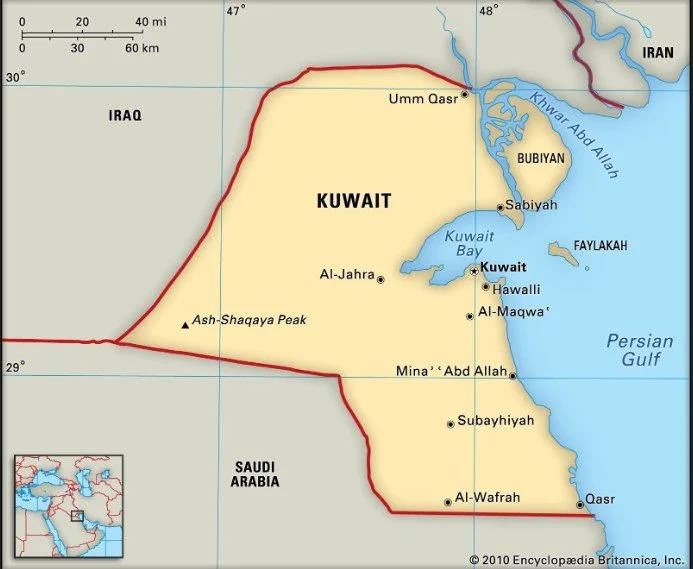
In many 'surprise wars', the surprise attack was not due to a failure in collecting intelligence but due to a failure in the intelligence assessment or due to a failure in the decision-making of the political leaders. That was the case in the American failure to predict the Iraq invasion of Kuwait, as well as in the case of the Israeli failure to predict the Yom Kippur war.
The Case of the USA's Failure to Predict the Iraqi Invasion of Kuwait
Rozen-Bakher, Z. (1999). The Attack of Iraq on Kuwait: The Failure of USA Administration to Predict the Attack M.A. Working Paper in Hebrew, University of Haifa. https://www.rozen-bakher.com/s/2-a9ge.pdf
The Case of the Israeli Failure to Predict the Yom Kippur War
Galei Tzahal, "Security Zone", Tali Lipkin-Shahak, 19 May 2014. Radio Interview with Dr. Ziva Rozen-Bakher about Open Intelligence following her role as a session chair of the session "Development of open intelligence in the democratic world" that was held at the conference on the intelligence challenges in the 21st Century, 19 May 2014. http://www.ifat.com/VT/Item.aspx?ID=5678041
Rozen-Bakher, Z. Session Chair, Session on "Political and economic aspects", at the Conference for the 40th anniversary of the Yom Kippur war: Insights and lessons, Acre, Israel, 4 November 2013.