Cluster Analysis for Prediction of Which Countries Joined or May Join the Gaza War (10/2023) against Israel With Various Types of Involvement
https://www.rozen-bakher.com/monitoring-risks/07/07/2024
Published Date: 07 July 2024
COPYRIGHT ©2022-2025 ZIVA ROZEN-BAKHER ALL RIGHTS RESERVED
Rozen-Bakher, Z., Cluster Analysis for Prediction of Which Countries Joined or May Join the Gaz War (10/2023) against Israel With Various Types of Involvement , Monitoring Risks by Dr. Ziva Rozen-Bakher, 07 July 2024, https://www.rozen-bakher.com/monitoring-risks/07/07/2024
Monitoring Risks by Dr. Ziva Rozen-Bakher
Analysing in-Depth Security & Political Risks and Economic & Strategic Risks
Rozen-Bakher, Z. Monitoring Risks by Dr. Ziva Rozen-Bakher https://www.rozen-bakher.com/monitoring-risks-1
Dr. Ziva Rozen-Bakher
Researcher in International Relations and Foreign Policy with a Focus on International Security alongside Military, Political and Economic Risks for Foreign Direct Investment (FDI) and International Trade
Cluster Analysis for Prediction of Which Countries Joined or May Join the Gaza War (10/2023) against Israel with Various Type of Involvement

List of Contents
Introduction
Cluster Analysis for Prediction of Which Countries Joined or may Join the Gaza War (10/2023) against Israel with Various Types of Involvement
2.1 Types of Involvement in the War Against Israel
Type I. Formal Military Involvement - Formal War
Type II. Informal Military Involvement - Informal War
Type III. Direct Military Involvement - Direct War
Type IV. Indirect Military Involvement - Indirect War
Type V. Volunteering Military Involvement - Mercenary War
Type VI. Economic Sanctions - Sanctions War
2.2 Criteria For Cluster Analysis
Criteria A. Involvement in the Current War against Israel with at Least One of the Types of Involvement (Type I-Type VI), October 2023 - Current
Criteria B. Direct Involvement in Past Wars against Israel, 1948 - September 2023
Criteria C. Location in the Middle East and the Red Sea
Criteria D. International Recognition of the State of Israel and Diplomatic Relations with Israel
Criteria E. International Recognition of the State of Palestine
Criteria F. Muslim-Arab Bloc
Criteria G. Countries that Filled or Joined or Backed the Legal Fight Against Israel: South Africa’s Genocide Case in International Court of Justice (ICJ) and the Case of War-Crimes and Crimes Against Humanity in International Criminal Court (ICC)
Criteria H. Coalition: Russia-China Coalition versus USA Coalition
2.3 Clusters by Criteria
Cluster I: Involvement in the Current War against Israel with at Least One of the Types of Involvement (Type I-Type VI), October 2023 - Current
Cluster II: Countries Located in the Middle East and the Red Sea and had Direct Involvement in Past Wars Against Israel (1948 - September 2023) (Excluding Cluster I)
Cluster III: Countries that Don’t Recognize the State of Israel or Cut Diplomatic Relations with Israel and had Direct Involvement in Past Wars Against Israel (1948 - September 2023) (Excluding Clusters I-II)
Cluster IV: Countries that Don’t Recognize the State of Israel or Cutting Diplomatic Relations without Past Involvement in Wars against Israel (Excluding Clusters I-III)
Cluster V: Countries that Recognize the State of Palestine among Muslim-Arab Bloc (Excluding Clusters I-IV)
Cluster VI: Countries that Recognize the State of Palestine and Filled or Joined or Backed the Legal Fight Against Israel: South Africa’s Genocide Case in International Court of Justice (ICJ) and the Case of War-Crimes and Crimes Against Humanity in International Criminal Court (ICC) (Excluding Clusters I-V)
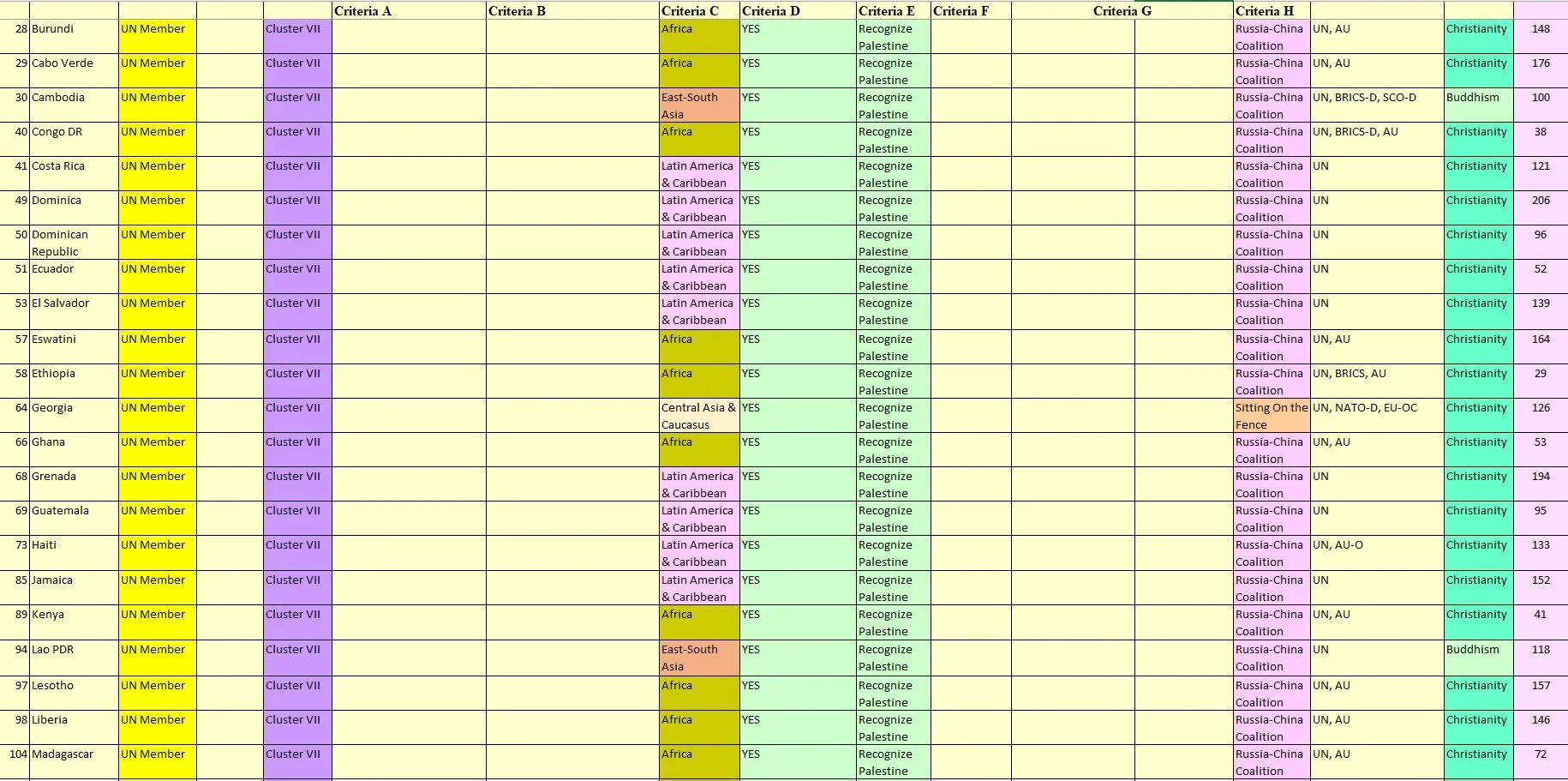
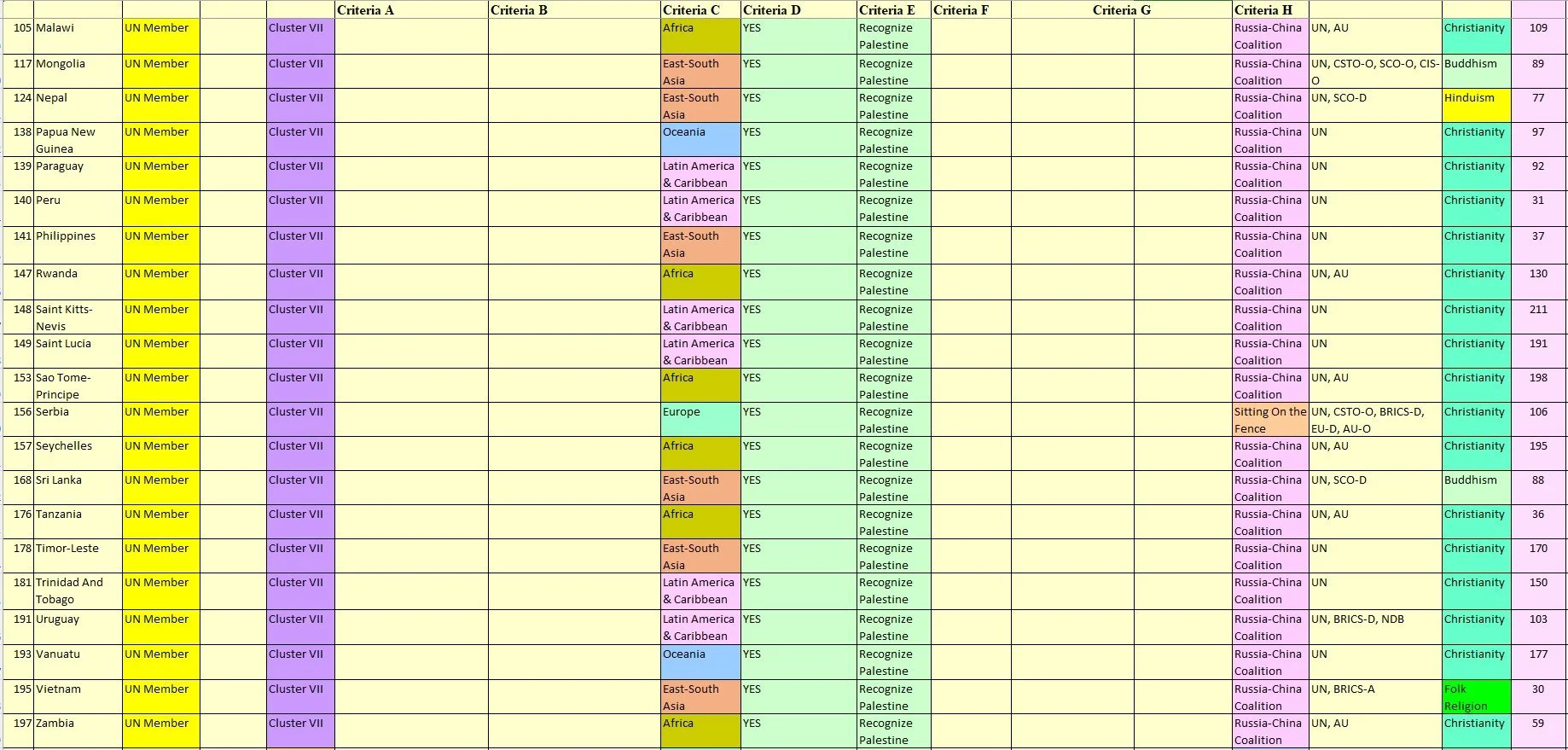
Cluster VII: Countries that Recognize the State of Palestine among the Russia-China Coalition and ‘Sitting on the Fence’ Countries (Excluding Clusters I-VI)
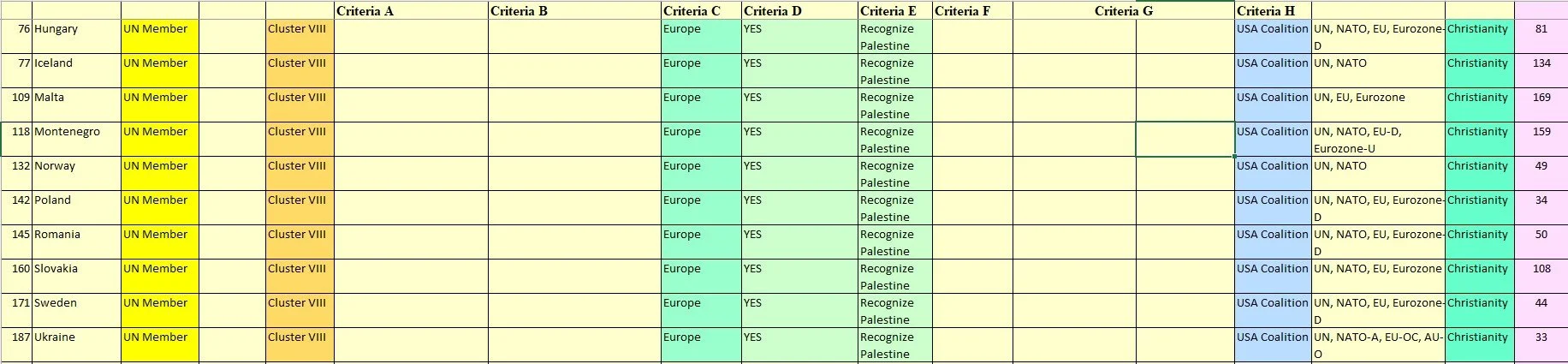
Cluster VIII: Countries that Recognize the State of Palestine among the USA Coalition (Excluding Clusters I-VII)
Methodology
Results of the Cluster Analysis
4.1 Number of Countries that Met the Criteria of the Cluster Analysis by Cluster
4.2 Results of Each Cluster via Map and Table, sorted by 2024 Global Survival Rank
Cluster I, N=9 - List of Countries Included in Cluster I: Involvement in the Current War against Israel with at Least One of the Types of Involvement (Type I-Type VI), October 2023 - Current
Cluster II, N=9 - List of Countries Included in Cluster II: Countries Located in the Middle East and the Red Sea and had Direct Involvement in Past Wars Against Israel (1948 - September 2023) (Excluding Cluster I)
Cluster III, N=3 - List of Countries Included in Cluster III: Countries that Don’t Recognize the State of Israel or Cut Diplomatic Relations with Israel and had Direct Involvement in Past Wars Against Israel (1948 - September 2023) (Excluding Clusters I-II)
Cluster IV, N=21 - List of Countries Included in Cluster IV: Countries that Don’t Recognize the State of Israel or Cutting Diplomatic Relations with Israel, but without Direct Involvement in Past Wars Against Israel (1948 - September 2023) (Excluding Clusters I-III)
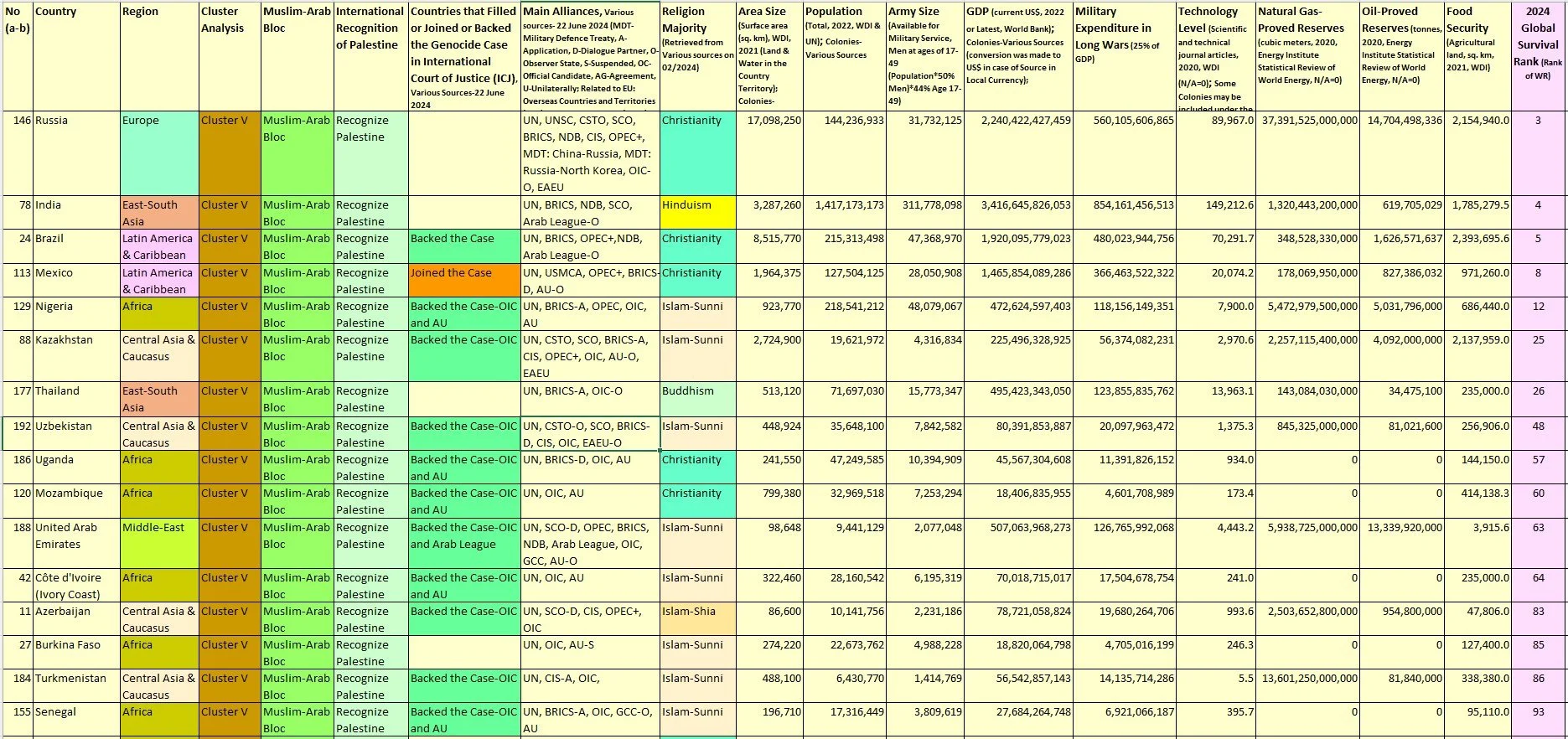
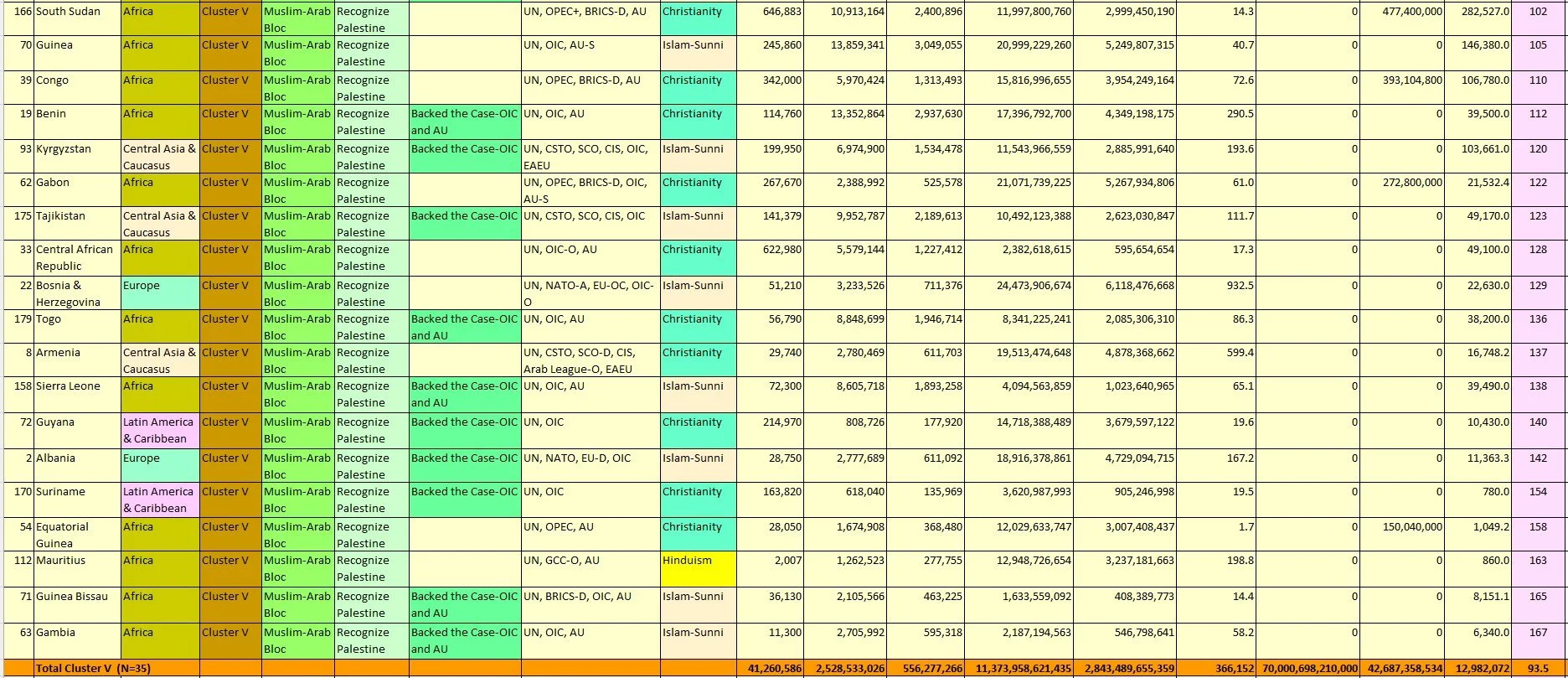
Cluster V, N=35 - List of Countries Included in Cluster V: Countries that Recognize the State of Palestine among Muslim-Arab Bloc (Excluding Clusters I-IV)
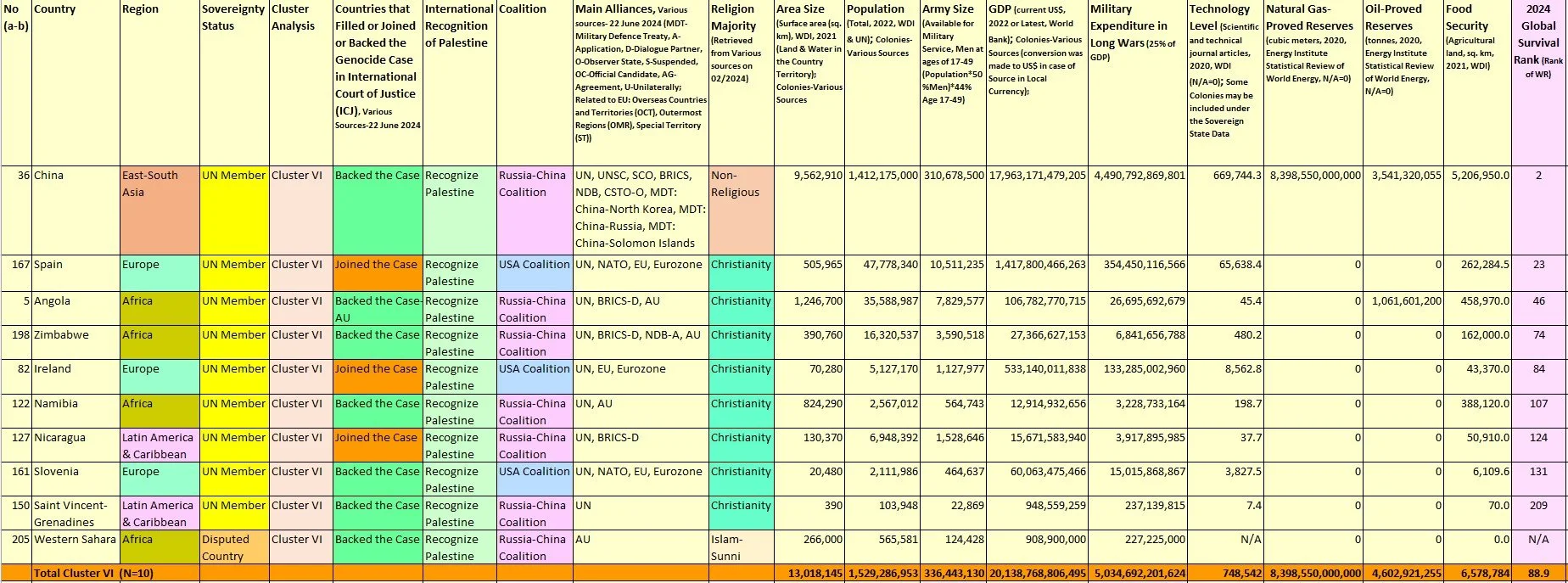
Cluster VI, N=10 - List of Countries Included in Cluster VI: Countries that Recognize the State of Palestine and Filled or Joined or Backed the Legal Fight Against Israel: South Africa’s Genocide Case in International Court of Justice (ICJ) and the Case of War-Crimes and Crimes Against Humanity in International Criminal Court (ICC) (Excluding Clusters I-V)
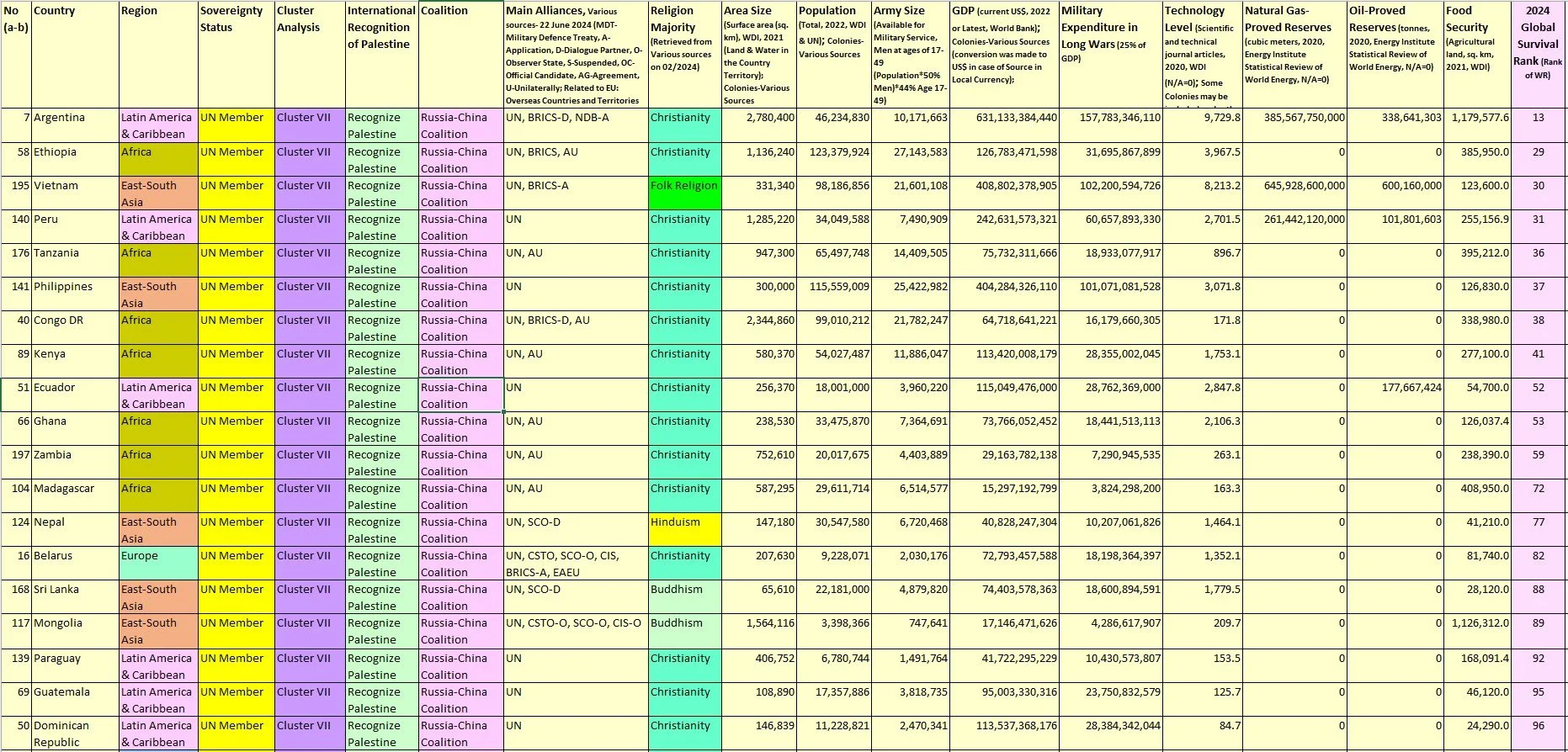
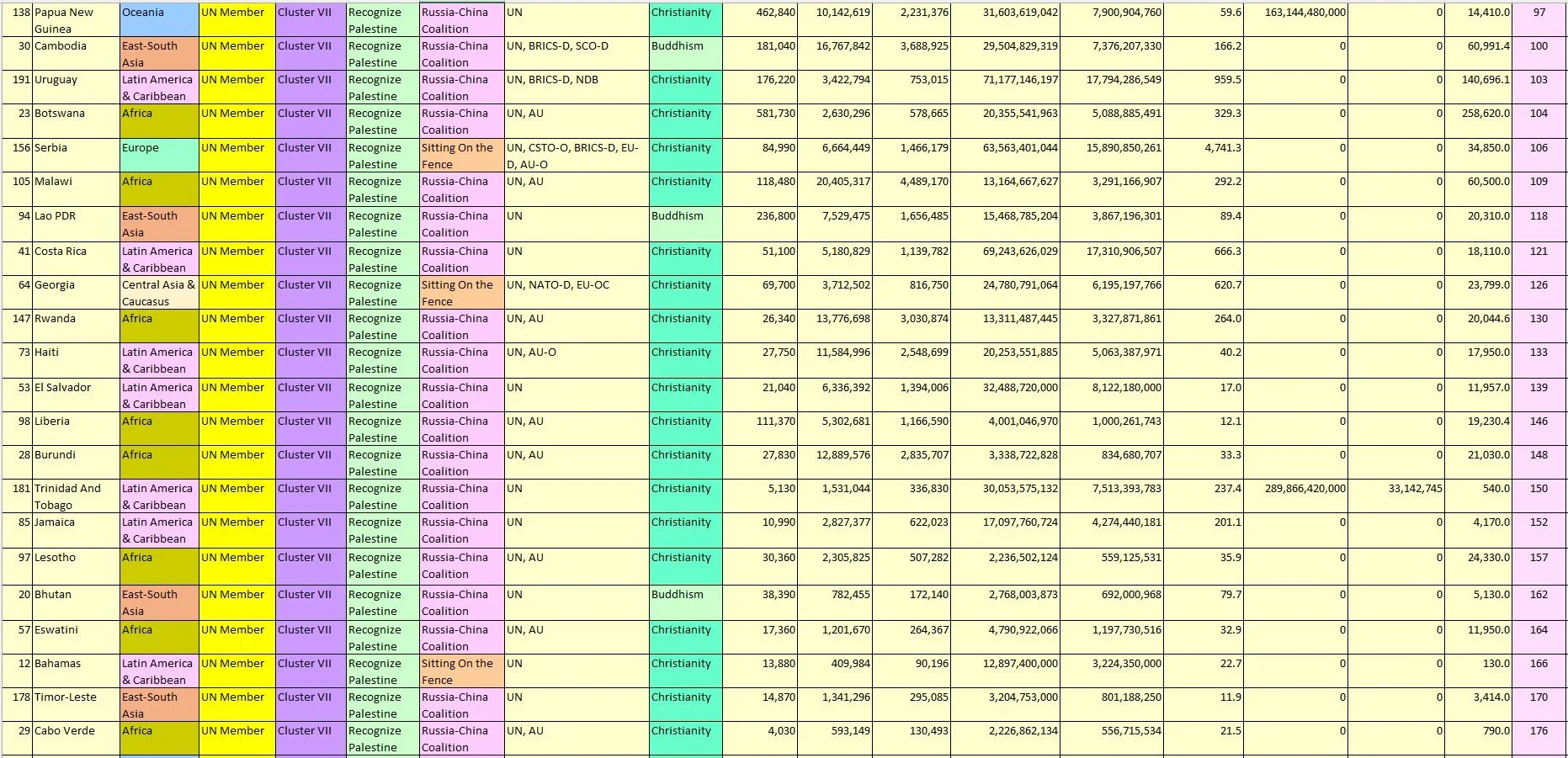
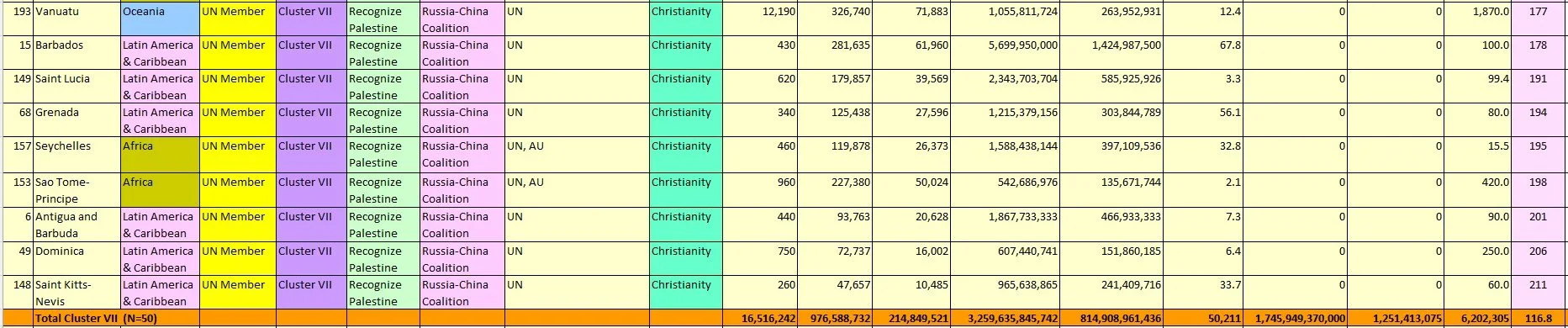
Cluster VII, N=50 - List of Countries Included in Cluster VII: Countries that Recognize the State of Palestine among the Russia-China Coalition and ‘Sitting on the Fence’ Countries (Excluding Clusters I-VI)
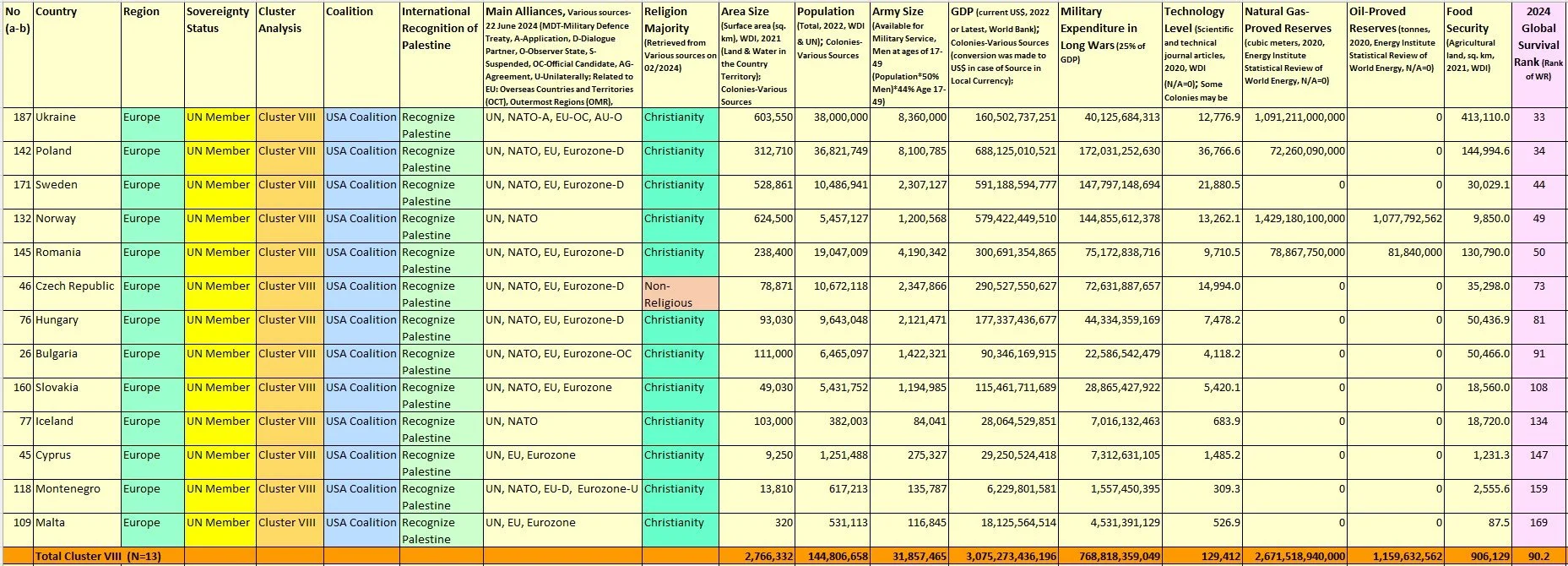
Cluster VIII, N=13 - List of Countries Included in Cluster VIII: Countries that Recognize the State of Palestine among USA Coalition (Excluding Clusters I-VII)
4.3 Results of All Clusters by All Criteria via Map and Summary Table, sorted by Cluster and Alphabetical Order
Results of All Clusters by All Criteria, N=150 - List of Countries included in All Clusters including All Criteria
Summary and Concluding Remarks
Appendices
Additional Recommended Reading
Lists of Tables, Maps, Charts, and Appendices
List of Charts
Chart 1. Contextual Model of the Cluster Analysis to Predict Which Countries Joined or may Join the War Against Israel (10/2023)
Chart 2. The Case of Colombia: The Jumping Up Process From Lower Priority Clusters to Higher Priority Clusters Until Reaching the Top Cluster I
List of Tables
Table 1. Cluster Analysis for Prediction of Which Countries Joined or may Join the War against Israel (10/2023) With Various Types of Involvement
Table 2. Cluster I sorted by Previous Cluster
Table 3. Number of Countries that Met the Criteria by Cluster
Table 4. Israel: 2024 Global Survival Rank (GSR)
Table 5. Cluster I: List of Countries Included in Cluster I, sorted by 2024 Global Survival Rank (GSR), N=9
Table 6. Cluster II: List of Countries Included in Cluster II, sorted by 2024 Global Survival Rank (GSR), N=9
Table 7. Cluster III: List of Countries Included in Cluster III, sorted by 2024 Global Survival Rank (GSR), N=7
Table 8. Cluster IV: List of Countries Included in Cluster IV, sorted by 2024 Global Survival Rank (GSR), N=3
Table 9. Cluster V: List of Countries Included in Cluster V, sorted by 2024 Global Survival Rank (GSR), N=11
Table 10. Cluster VI: List of Countries Included in Cluster VI, sorted by 2024 Global Survival Rank (GSR), N=35
Table 11. Cluster VII: List of Countries Included in Cluster VII, sorted by 2024 Global Survival Rank (GSR), N=13
Table 12. Cluster VIII: List of Countries Included in Cluster VIII, sorted by 2024 Global Survival Rank (GSR), N=53
Table 13. All Clusters by All Criteria: List of Countries Included in All Clusters I-VIII, sorted by Cluster and Alphabetical Order, N=150
Table 14. Summary of All Clusters, sorted by 2024 Global Survival Rank
List of Maps
Map 1. Cluster I: Countries Included in Cluster I
Map 2. Cluster II: Countries Included in Cluster II
Map 3. Cluster III: Countries Included in Cluster III
Map 4. Cluster IV: Countries Included in Cluster IV
Map 5. Cluster V: Countries Included in Cluster V
Map 6. Cluster VI: Countries Included in Cluster VI
Map 7. Cluster VII: Countries Including in Cluster VII
Map 8. Cluster VIII: Countries Included in Cluster VIII
Map 9. All Clusters
List of Appendices
Appendix I. Thousands of Palestinians Detained in Israel
Appendix II. Map of First Lebanon War (1982)
Appendix III. Map of Second Lebanon War (2006)
Appendix IV. Afghanistan’s ruling Taliban Announced their Intention to Deploy Troops to Fight against Israel with Hezbollah
Appendix V. Historical MPs of Hezbollah in the Lebanese Parliament
Appendix VI. Current Lebanese Parliament
Appendix VII. Current Lebanese Government
Appendix VIII. Map of Hezbollah’s Control Areas in Lebanon
Appendix IX. Map of North Yemen and South Yemen Before the Unification of Yemen in 1990
Appendix X. Table of North Yemen and South Yemen: Estimation of Current Population and Area Size
Appendix XI. Casualties Figure in Gaza War, Date 24 June 2024
Appendix XII. Map of the Middle East
Appendix XIII. Map of the Red Sea
Appendix XIV. Iran's Range of Ballistic Missiles
Appendix XV. Arab League ceases labeling Hezbollah ‘terrorist organization’
Appendix XVI: Map of Coalitions: Russia-China Coalition versus USA Coalition
Appendix XVII: Maps of Determination of Coalitions: Russia-China Coalition versus USA Coalition
Appendix XVIII. Military Clash between Israel and Egypt at Rafah Crossing, May 2024
Appendix IXX. Border Shooting between Israel and Egypt, June 2023
Appendix XX. Map of Former Republics of the Soviet Union (USSR) by Current Geopolitics Status
Appendix XXI. Cluster IVa: Cluster of Former USSR-East Countries
Appendix XXII. Religion Majority among Muslim-Arab Bloc
Appendix XXIII. North Thunder military Drill of Peninsula Shield Force of GCC
Appendix XXIV. An Embargo on OIL by OPEC in 1973
Appendix XXV. Iran Warns of ‘Obliterating War’ if Israel Launches an Offensive in Lebanon
Appendix XXVI. The USA and the UK Intercepted Iranian Missiles and Drones
Appendix XXVII. Weekly Mass Pro-Palestine Protest in North Yemen by Houthis
1. Introduction
Can we Predict Which Countries Joined or May Join the Gaza War (10/2023) against Israel with Various Types of Involvement?
In 10/2023 (07 October 2023), the Gaza war erupted between Israel and Hamas following the Hamas Surprise Attack against Israel as part of the military Resistance of the State of Palestine against Israel in order to end the Israeli Occupation of Palestine, including to release of thousands of Palestinian political prisoners that are held in Israel under detention without any formal legal proceeding (see Appendix I), which from the Palestinian perspective is equivalent to holding Israeli Hostages. However, since the start of this war, more countries and militant groups progressively joined the war against Israel (e.g., Hezbollah and Houthis), which has transformed into an Attrition War, because currently, over 9 months, no side has succeeded in eliminating the other side. Worse, the Risk for All-Out-War in the Middle East increased each day amid the rumours about the possibility of an Israeli Invasion of Lebanon due to the escalation in the military fighting between Israel and Hezbollah on the border between Israel and Lebanon.
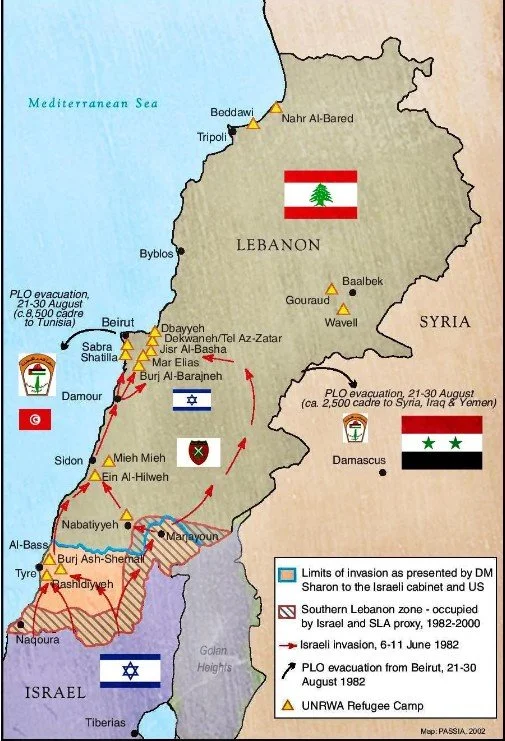
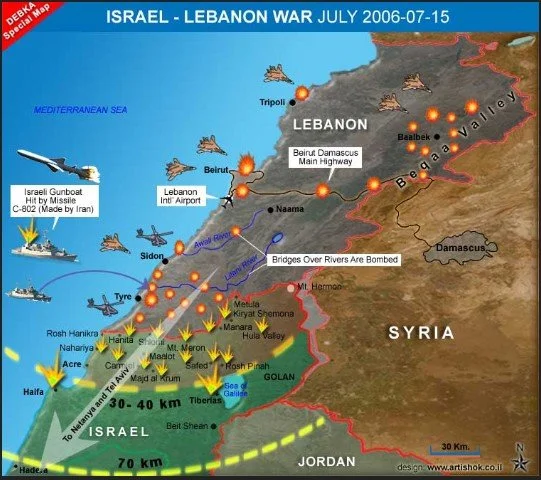
Considering the above, if Israel invades Lebanon in trying to stop the daily attacks of Hezbollah against Israel from its Northern border, then the Risk of All-Out-War is inevitable because Iran has already signalled that if Israel invades Lebanon in the style of the First Lebanon War (1982) or Second Lebanon War (2006) (see Appendix II and Appendix III), then Iran will intervene militarily to stop the Israeli invasion of Lebanon by sending Iranian troops to Lebanon (Boots on the Ground) to fight together with Hezbollah in order to carry out a counter-offensive against Israel. That’s regardless of additional countries (e.g., Afghanistan) that have already declared their intention to send troops to fight together with Hezbollah against Israel in the case of an All-Out-War (see Appendix IV). Thereby, under the scenario of All-Out-War, we can assume that additional countries may join the war against Israel with Various Types of Involvement, either Openly or Secretly.
In light of the above, the Cluster Analysis presented in Chart 1 aims to predict which Countries Joined or may Join the current War Against Israel (10/2023) based on Criteria in a way that each Cluster must meet at least one of the Criteria, which is supposed to influence the Types of Involvement of the Cluster in the War Against Israel. However, keep in mind, that the Allies of Israel are also already involved in the war, such as the USA and the UK, which may also be involved in the case of an All-Out-War, still, the objective of this Cluster Analysis is to look on the 'Anti-Israel Coalition’ in relation to Palestine that is much Bigger, Powerful, and Complex in terms of its involvement in the fight of Palestine for Self-Determination. In other words, the 'Anti-Israel Coalition’ in relation to Palestine aims to end the Israeli Occupation of Palestine via Diplomatic channels, yet also via Military Resistance if needed in order to establish the State of Palestine as an Independent country. Paradoxically, the 'Anti-Israel Coalition’ includes not only Islamic countries but also Allies of the USA and countries that, in general, are considered friendly countries of Israel. Still, even these friendly countries of Israel have stepped up their efforts to assist Palestine in its fight for Self-Determination. Therefore, the Cluster Analysis presented here focuses only on the 'Anti-Israel Coalition’ in relation to Palestine, rather than on the ‘Pro-Israel Coalition’ that is much smaller, easily understood and simple to predict.
The Cluster Analysis is organised as follows: Section 2 outlines the foundations of the Cluster Analysis. Section 3 discusses the methodology of the Cluster Analysis. Section 4 presents the results of the Cluster Analysis. Section 5 presents the conclusions and discusses the Risks and policy implications.
Chart 1. Contextual Model of the Cluster Analysis to Predict Which Countries Joined or may Join the Gaza War (10/2023) Against Israel
2. Cluster Analysis for Prediction which Countries Joined or may Join the Gaza War (10/2023) against Israel with Various Types of Involvement
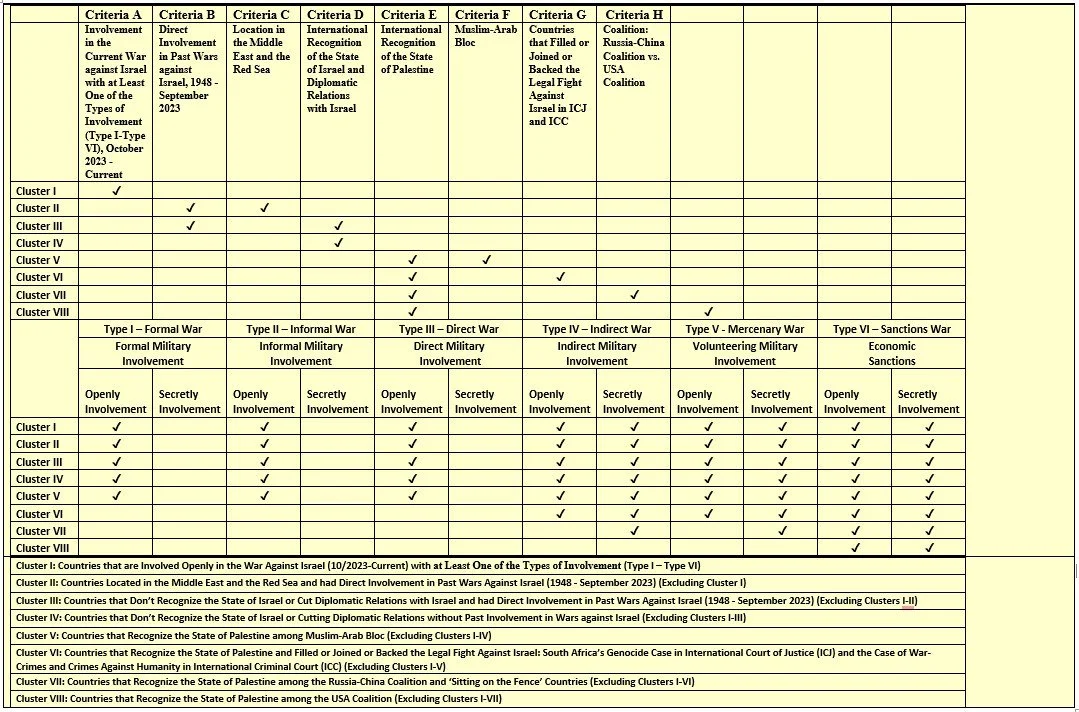
The Cluster Analysis aims to predict which Countries Joined or may Join the War against Israel with Various Types of Involvement, either with Openly Involvement or with Secretly Involvement, based on eight Criteria (Criteria A - Criteria H) and with six Types of Involvement as shown in Table 1. Thereby, Section 2.1 discussed the six Types of Involvement (Type I - Type VI) in the War against Israel, either Openly or Secretly. Section 2.2 lays out the Criteria for the Cluster Analysis which include eight Criteria. Section 2.3 presents eight Clusters (Cluster I - Cluster VIII) based on the Criteria for the Cluster Analysis.
Table 1. Cluster Analysis for Prediction of Which Countries Joined or may Join the Gaza War (10/2023) against Israel With Various Types of Involvement
2.1 Types of Involvement in the Gaza War (10/2023) Against Israel
There are six Types of Involvement in the Gaza War (10/2023) against Israel, either Openly or Secretly, as follows:
Openly Involvement. Openly Involvement refers to definitely Involvement in the current war against Israel based on the formal declarations of those who are involved in the war. The formal declarations are usually published by leaders, governments, armies, and militant groups via the media and newspapers, which even include video films and photos that record the Direct attacks. Hence, Cluster I includes only Openly Involvement and not Secretly Involvement
Secretly Involvement. The Cluster Analysis is based on the assumption that many countries are involved secretly in the war against Israel or may be involved secretly in the coming future, because if we look at the reality of this Attrition War that currently takes place over 9 months along with the declarations by leaders and Alliances from around the world, then we have a clear indication for the existence of Secretly Involvement in the war against Israel by many governments, still, mainly via the following Types of Involvement: Type II-Informal Military Involvement, Type IV-Indirect Military Involvement, Type V-Volunteering Military Involvement and Type VI-Economic Sanctions.
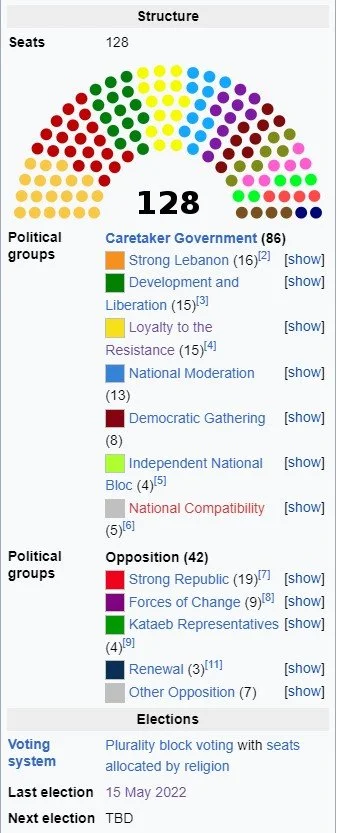
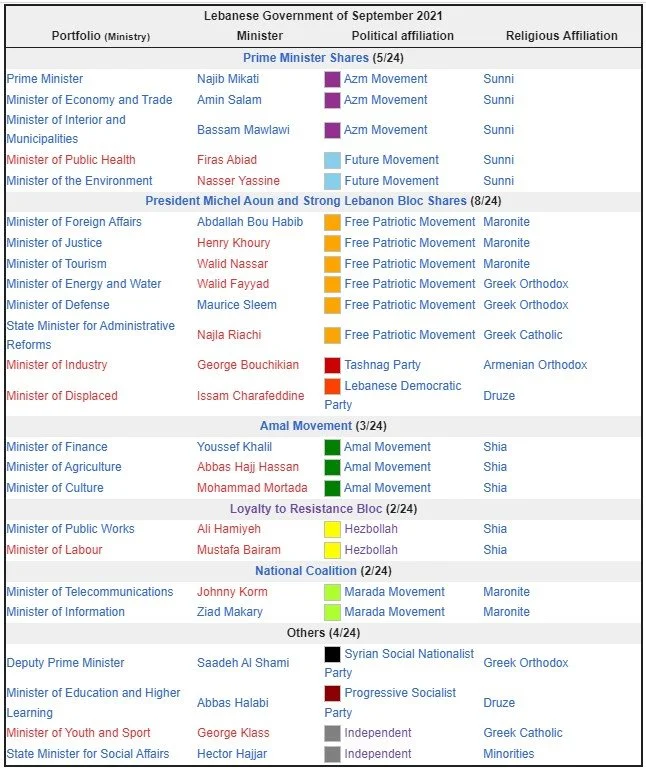
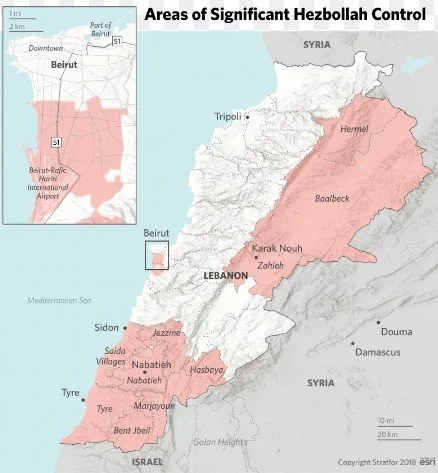
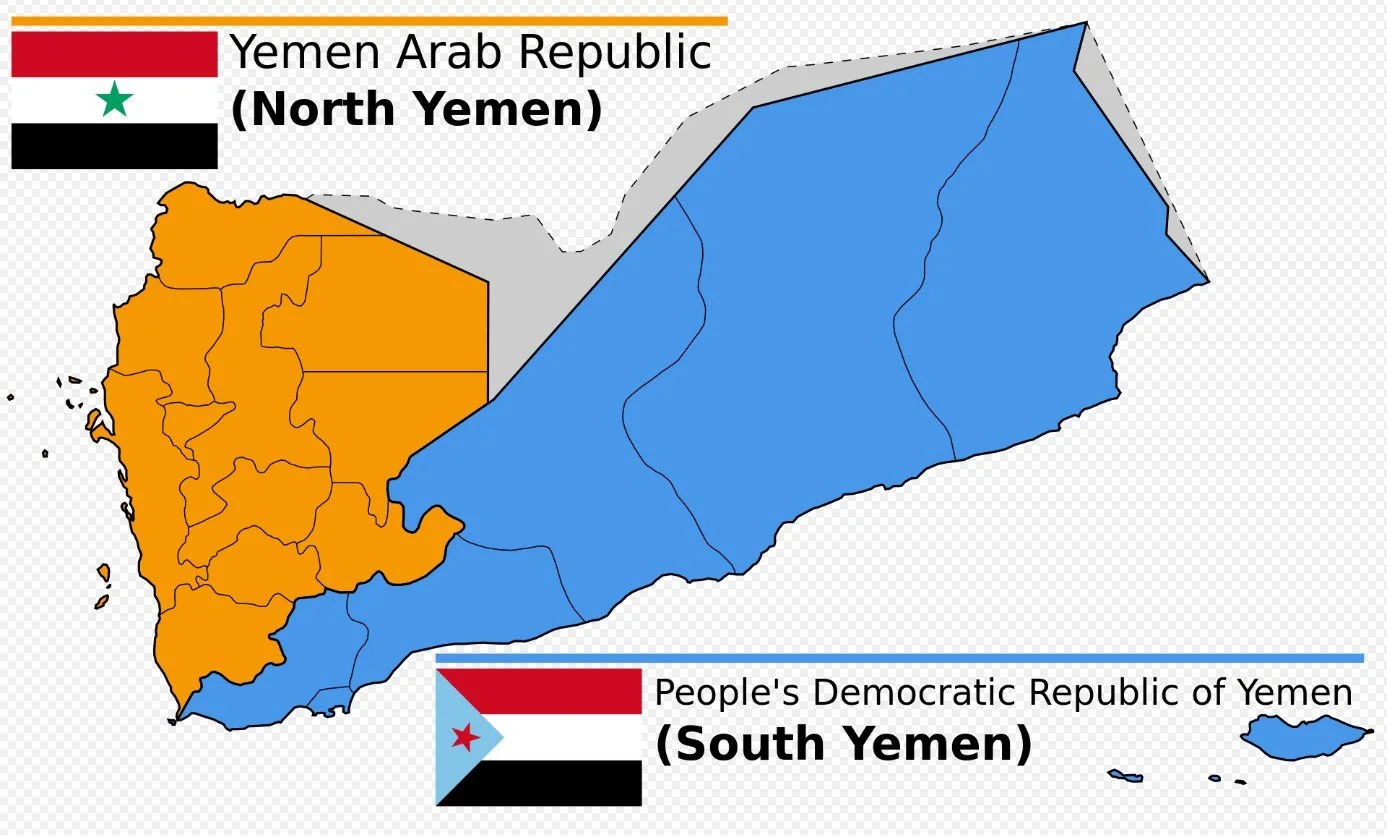
Type I. Formal Military Involvement - Formal War. Formal Military Involvement refers to Involvement in the War Against Israel via the Formal Army of a country, such as in the case of Iran and Syria. However, the definition regarding the military involvement of the Houthis and Hezbollah is less clear and even more complex because of the current Civil War in Yemen and the long Civil War in Lebanon, which have led to the current complicated situation. More specifically, the Lebanese Civil War (1975-1990) between the Christians & Sunni Muslims versus the Shia Muslims that mainly located in Southern Lebanon and Eastern Lebanon (Beqaa Valley) has led to the current situation in which Hezbollah is a Political Party in Lebanon. This political party of Hezbollah, ‘Loyalty to the Resistance Bloc’, has in the current Parliament of Lebanon 15 Parliament Members(MPs) and even 2 Ministers in the current Lebanese Government (see Appendix V-VII), still, Hezbollah has also a Formal Army that controls the Southern Lebanon and the Beqaa Valley, while the Formal Army of Lebanon Controls the other areas in Lebanon (see Appendix VIII). Thus, under this situation, Lebanon is a Unified Country at the Political Level but has Two Formal Armies: the Formal Army of Lebanon and the Formal Army of Hezbollah, still, paradoxically, the Hezbollah Army is Bigger and Stronger compared to the Lebanon Army. However, the current situation in Yemen is derived from a different historical background namely, in the current territory of Yemen, there were two independent countries: North Yemen and South Yemen that were unified in 1990, but the failure of the unification of Yemen has led to the current Yemen Civil War (see Appendix IX-X) in which the Houthis has a formal government and a formal army that control the territory of North Yemen, while South Yemen has also a formal government and a formal army, so the current situation in Yemen reflects de-facto the dissolution of Unified Yemen. Considering the above, the Lebanese Civil War has led to a unique model of a country in which Lebanon has a unified political system that includes one capital, one parliament and one government, still, Lebanon has a disunified military system that includes two formal armies, the Hezbollah and the Lebanon Army. On the contrary, Yemen has two capitals, two parliaments, two governments, and two formal armies that de-facto reflect two independent countries: North Yemen with its capital Sanaa and South Yemen with its capital Aden. In light of the above, the involvement in the war against Israel by Houthis and Hezbollah is more fit to the definition of Formal Military Involvement via a Formal Army. However, the involvement in the war against Israel by Hamas and other Palestinian Military Resistance Groups can be defined either as a Formal Military Involvement via the Formal Army of the State of Palestine or as an Informal Military Involvement via Palestinian Military Resistance Groups. Note, usually, a Formal Army conducts Openly attacks and not Secretly Attacks, still, if a Formal Army conducts an attack without taking responsibility for the attack, then it can be considered a Secretly Attack by a Formal Army, such as the alleged Attack by the Israeli Army against the Iranian consulate in Damascus or the alleged Drone Attack by Israeli Army in Iran, which in both cases, Israel did not take responsibility for these attacks. Nonetheless, currently, there are no alleged secret attacks by formal armies against Israel, but only Openly attacks.
Risks Timeline by Dr. Ziva Rozen-Bakher, 08 April 2022, What Israel could Learn From its History regarding the Occupation of Palestine?: Resistance versus Terrorism https://www.rozen-bakher.com/timeline-risks/08/04/2022/1828).
Risks Timeline by Dr. Ziva Rozen-Bakher, 28 January 2024, Houthi Problem: Historical Perspective https://www.rozen-bakher.com/timeline-risks/28/01/2024/1044).
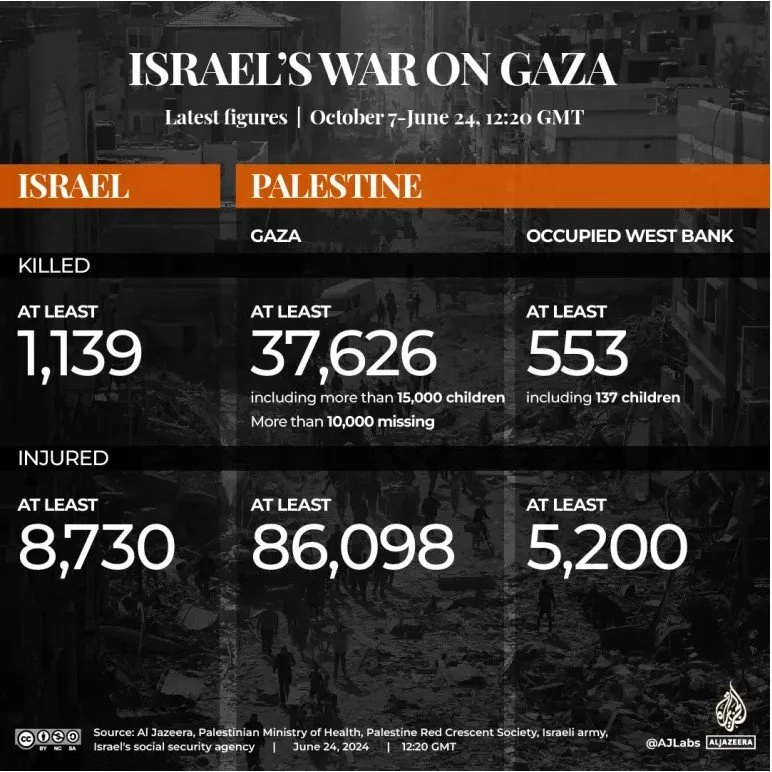
Type II. Informal Military Involvement - Informal War. Informal Military Involvement refers to Involvement in the War Against Israel via Militant Groups, yet under the Open Eyes of the Country in which the Militant Group operates. In other words, Informal Military Involvement can be defined as an Informal War when the government and the formal army of the country don’t try to stop the attacks by the militant groups that operate from the territory of the country, such as the Informal War by Iraq against Israel via the Islamic Resistance of Iraq or the Informal War by Bahrain via the Islamic Resistance Group of Bahrain (Al-Ashtar Brigades). Importantly, in the case of the Informal War against Israel, it is possible that the governments not only close their eyes to the attacks against Israel but also provide Indirect Military Assistance, such as allowing the transfer of weapons and ammunition to the militant groups or even they are providing them weapons and ammunition to carry out the Informal war against Israel. In other words, under the situation in which Israel conducts daily attacks in Gaza and the West Bank that lead to an unprecedented toll of casualties among Palestinian civilians (see Appendix XI), then some governments are less strict in their attitude towards Informal War against Israel, such as Iraq and Bahrain. Nevertheless, Informal War can also take place secretly when the militant group does not take responsibility for the attack, still, currently, all the informal attacks against Israel have been carried out openly even under video cameras as part of the show-off Military Campaign Attack against Israel.
Risks Timeline by Dr. Ziva Rozen-Bakher, 03 May 2024, Is Bahrain Joined the Hamas War against Israel?: The ‘Informal War’ against Israel https://www.rozen-bakher.com/timeline-risks/03/05/2024/1114
Risks Timeline by Dr. Ziva Rozen-Bakher, 01 February 2024, Islamic Resistance in Iraq (IRI): Iraq Formally Joined the Military Campaign against Israel and USA Bases in the Middle East https://www.rozen-bakher.com/timeline-risks/01/02/2024/1205
Type III. Direct Military Involvement - Direct War. Direct Military Involvement refers to Direct Involvement in the War against Israel via troops that fight against Israel by Land, Air or Sea, either via Formal Armies or Militant Groups, such as the Direct War by Hamas, Hezbollah, and Houthis. Note, the Iranian Army was not involved Directly in the war against Israel until the alleged Israeli Attack against the Iranian Consulate in Damascus, which led to the Iranian missiles and drones attack against Israel, and even to Direct Involvement in the war by the USA, the UK and France from the side of Israel when they intercepted the Iranian missiles and drones from the Jordan territory (see Appendix XXVI). Nevertheless, since the start of the current war (10/2023), Iran Openly and Indirectly has involved in the war against Israel by providing military support including weapons and ammunition to those who fight directly against Israel, which from the viewpoint of the Islamic World and International Community is equivalent to the Indirect Military Involvement of USA via providing weapons and ammunition to Israel to carry out this war.
Risks Timeline by Dr. Ziva Rozen-Bakher, 02 April 2024, Forthcoming Revenge against Israel by Muslim-Arab Bloc due to Israeli Attack against Iranian Consulate in Damascus https://www.rozen-bakher.com/timeline-risks/02/04/2024/0908
Type IV. Indirect Military Involvement - Indirect War. Indirect Military Involvement refers to Indirect Involvement in the War against Israel by providing weapons, ammunition, military aid, military support, training, intelligence and more, either Openly or Secretly. Still, keep in mind, that selling weapons and ammunition is not considered Indirect Military Involvement, but as Arms Exports, while Giving Weapons and ammunition without charge is considered Indirect Military Involvement, either if it is done via a Military Support Treaty as in the case of the Military Aid of USA to Israel or by Informal support as in the case of the Informal Military Aid of Iran to Hezbollah. Importantly, Indirect Military Involvement can be done Openly, such as Iran that provides military support to those who conduct Direct Fighting against Israel, while it also can be done Secretly beyond Closed Doors to avoid political conflicts, which applies especially to Islamic countries that have ambivalent relations with the USA. In other words, in the case of Openly Indirect Military Involvement, we can know which countries are involved in the war, while in the case of Secretly Indirect Military Involvement, we can not know for sure which countries are involved in the war. Even more importantly, Indirect Military Involvement can impact significantly the outcome of the war, not less than Direct Military Involvement, especially if it involves a supply of weapons and ammunition to those who engage in Direct Fighting. For example, the ability of Hamas to conduct Direct Fighting against IDF after 9 months of fighting despite that IDF deployed all over Gaza, signals that somehow Hamas has succeeded in smuggling weapons and ammunition into Gaza, likely through the Military tunnels, which indicates that Hamas has an Indirect Military Assistance or Volunteering Military Assistance even from countries that have Peace Treaty with Israel, such as Egypt and Jordan. Should we be surprised? No, because if we look at the History of Israel, then even the Haganah bypassed the British soldiers by smuggling weapons and ammunition into Mandatory Palestine, which were hidden in Stashes, regardless of smuggling illegal fighters via Ha'apala (Illegal Ships). Considering the above, we can assume that many countries have Secretly Indirect Military Involvement in the war against Israel without declaring about it, so we can assume that the number of countries that should included in Cluster I is much bigger than what appears in Cluster I.
Risks Timeline by Dr. Ziva Rozen-Bakher, 14 May 2024, The Wrong Military Decision-Making of Israel to Release the Hostages From Hamas by Land Military Operation Instead of Negotiation https://www.rozen-bakher.com/timeline-risks/14/05/2024/0745
Type V. Volunteering Military Involvement - Mercenary War. Volunteering Military Involvement refers to individuals or a small group of individuals that are involved in the war against Israel, either Directly (Fighting) or Indirectly (Military Assistant). However, Volunteering Military Involvement is usually done secretly, especially when it is done Indirectly to smuggle Weapons and Ammunition or to collect Intelligence Information in order to assist those who are involved in Direct Fighting. Therefore, it is difficult to know the exact number of volunteers and mercenaries that are involved in the War against Israel, and from which countries they come or from which countries they provide their assistance, still, we can assume that there is encouragement for Volunteering in countries that have shared borders with Israel or locate in the Middle East. Nevertheless, we can assume that if erupts an All-Out-War against Israel, then there will be a flow of Volunteers from Islamic countries to the fighting areas to participate directly in the war, such as the volunteer pilots from Pakistan who joined the war in 1967. Importantly, the Non-Jewish Israeli Population includes more than 2.5 million Israeli Arab Citizens, so Volunteering Military Involvement can also come from Israeli Arab citizens, especially via Secretly Indirect Military Involvement in order to collect intelligence information and even to smuggle weapons and ammunition from Israel to Gaza and West Bank.
Monitoring Risks by Dr. Ziva Rozen-Bakher, 6 February 2022, Israel - Apartheid State?: Two-State Solution vs. One-State Solution https://www.rozen-bakher.com/monitoring-risks/06/02/2022)
Type VI. Economic Sanctions - Sanctions War. Economic Sanctions in general can be considered as non-military involvement, but economic sanctions can have a significant impact on the strength of the economy, especially during a war when the costs of the war are very high. Importantly, Economic Sanctions can have a Direct Impact on the war in the case of an Arms Embargo or Embargo on Oil or if the sanctions are imposed on Goods and Raw materials that used for the Production and Spare Parts of Weapons and Ammunition. Therefore, this analysis takes into account the involvement in the war against Israel also via Economic Sanctions that were imposed against Israel. However, usually, Sanctions are imposed Openly as in the case of Russia, but the case of Israel is different because of the Antisemitism issue or due to the wish to avoid pressure from the Allies of Israel (e.g. the USA), so we can assume that additional countries joined Secretly the Economic Sanctions against Israel without declaring about it via informal ban on exports or imports with Israel. Importantly, a Formal Ban or an Informal Ban are imposed not only by governments but also by firms, institutions and individuals, so it unclear what is the scope of the sanctions against Israel by non-state actors. Hence, the List of Countries that are involved in the war against Israel via Economic Sanctions includes only countries that Openly imposed Economic Sanctions against Israel at the Government Level, yet we can assume that more governments imposed Secretly Informal Sanctions against Israel, regardless of countless firms, institutions and individuals worldwide that joined the Sanctions against Israel, either Openly or Secretly.
2.2 Criteria For the Cluster Analysis
The Cluster Analysis for the prediction of which countries joined or may Join the All-Out-War against Israel with Various Types of Involvement is based on a Set of Criteria in which each cluster needs to fill at least one of the Criteria. Thereby, according to consideration of essential factors, the Cluster Analysis includes eight Criteria (Criteria A - Criteria H), as follows:
Criteria A. Involvement in the Current War against Israel with at Least One of the Types of Involvement (Type I-Type VI), October 2023 - Current. Criteria A refers to countries that Openly are involved in the current War against Israel (10/2023-Current) with at Least One of the Types of Involvement (Type I - Type VI) as explained in the previous section. However, Keep in mind, that likely that more countries are Secretly involved in the current war against Israel with at least one of the Types of Involvement, yet without proven information about it, we can not take into account Secretly Involvement.
Criteria B. Direct Involvement in Past Wars against Israel, 1948 - September 2023. Criteria B refers to countries that had past direct involvement in wars against Israel, either via Formal Army or Militant Groups or Volunteers excluding Indirect wars or Economic sanctions. To clarify, Criteria A includes Type I - Type VI, while Criteria B includes only Type I - Type III and Type V. The difference between Criteria A and Criteria B about the Types of Involvement arises from the difficulty of recalling all the events related to the Indirect War and the Economic Sanctions against Israel over the last 76 years. Importantly, Past Involvement refers to past wars against Israel during the period of 1948 until September 2023 namely, before the current War between Israel and Hamas that erupted on 7 October 2023 following the surprise attack by the Hamas. Criteria B is based on the rationale that the ‘Arab Street’ in countries that had past involvement in wars against Israel still have hostility against Israel even in countries that have today a Peace Agreement with Israel or Diplomatic Relations, such as the Cold Peace Agreements with Egypt and Jordan. Importantly, the hostility and anger against Israel have escalated since the start of the current War (10/2023) due to the humanitarian crisis and unprecedented death toll among Palestinians in Gaza (see Appendix XI), especially among children, which may trigger reinvolvement in the war against Israel at various types of involvement even among countries that have diplomatic relations with Israel. For example, Egypt Joined the Genocide Case in the International Court of Justice (ICJ) and Jordan Backed the Genocide Case in the ICJ and even Withdrew its Ambassador from Israel, which signal about the possibility of Indirect Military Involvement and Volunteering Military Involvement from the 'Arab Street' in Egypt and Jordan. Hence, we can assume that countries that had past involvement in wars against Israel have more hostility against Israel that can trigger involvement in the current war against Israel with various types of involvement, such as the weekly Pro-Palestinian protests in North Yemen that include hundreds of thousands of Houthis that participate in these weekly protests due to the rage against Israel (see Appendix XXVII), resulting in an intense Direct War by sea against Israel by the Houthis.
List of Countries that had Past Involvement in Wars with Israel via Formal Army or Militants, Section E17.4.3 in Section E17. Limited International Recognition of UN Members and UN Observer States https://www.rozen-bakher.com/gsr/2024/e/17, 2024 Global Survival Rank (GSR) by Dr. Ziva Rozen-Bakher https://www.rozen-bakher.com/global-survival-rank-zrb/2024)
Risks Timeline by Dr. Ziva Rozen-Bakher, 06 February 2024, Starvation as a War-Weapon: The Case of Palestine https://www.rozen-bakher.com/timeline-risks/06/02/2024/0751
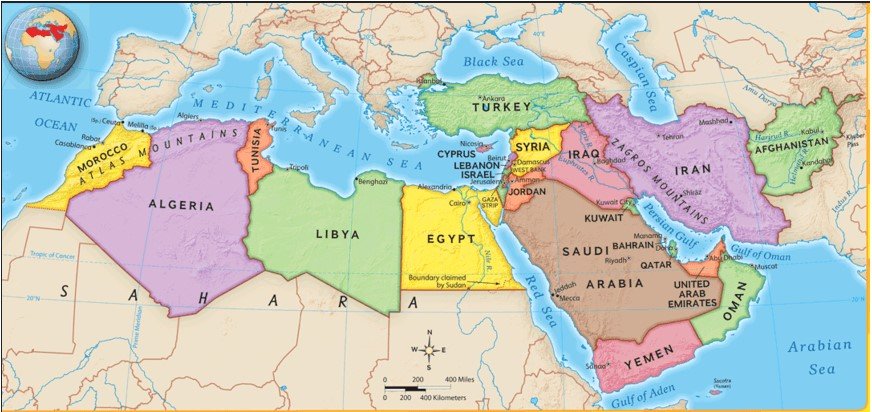
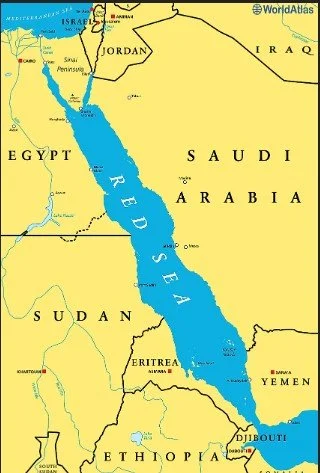
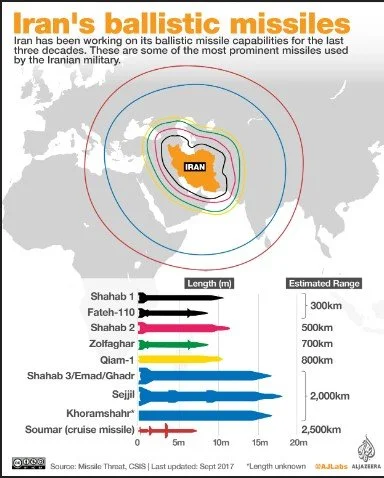
Criteria C. Location in the Middle East and Red-Sea. Criteria C refers to those countries that have a Shared Border with Israel (Circle I) or their location is in the Middle-East and the Red Sea (Circle II) (See Appendix XII and Appendix XIII), a location that is included in the Range of the Missiles and Drones Attacks against Israel (see Appendix XIV). Thus, Criteria C is based on the rationale that countries located in the Middle East and the Red Sea have the possibility to be involved in the Direct War against Israel, still, countries located in Circle I (Shared Border with Israel) have the possibility also to be involved in smuggling of weapons and ammunition into Gaza and the West Bank. In other words, countries located outside the Middle East and the Red-Sea can send troops to fight against Israel, yet these countries can not engage directly in Missile and Drone attacks against Israel or be involved in smuggling of weapons and ammunition into Gaza and the West Bank. Hence, we can assume that additional countries from the Middle East are already involved secretly in the war against Israel, either via Indirect Military Involvement or Volunteering Military Involvement, still, All-Out-War may expand the list of countries from the Middle East that will join the war, either Openly or Secretly.
Criteria D. International Recognition of the State of Israel and Diplomatic Relations with Israel. Criteria D refers to those countries that don’t Recognize the State of Israel, as well as to those countries that Cut their Diplomatic ties with Israel by suspending the diplomatic relations or by Withdrew the Ambassador from Israel, which signals that these countries will be more involved in the war against Israel compared to countries that recognize Israel and have full diplomatic relations with Israel. Nevertheless, we can assume that countries that Never Recognized Israel or countries whose diplomatic relations with Israel under suspension for many years may be involved Directly and Openly in the war against Israel compared to countries that may be involved Indirectly or secretly in the war if the country temporarily cuts the diplomatic ties with Israel. Note, the List of Countries that Recognize the State of Israel or Cut their diplomatic ties with Israel that used in this analysis is updated to 27 June 2024, yet it is possible to see the latest list via the link below.
List of Countries that Don’t Recognize Israel or Cut the Diplomatic Relations with Israel, International Recognition of the State of Israel and Diplomatic Relations with Israel, Monitoring Risks by Dr. Ziva Rozen-Bakher https://www.rozen-bakher.com/monitoringrisks/israel-recognition
Criteria E. International Recognition of the State of Palestine. Criteria E refers to Countries that Recognize the State of Palestine in order to distinguish between countries that recognize the State of Palestine and those that do not recognize the State of Palestine. Criteria E is based on the rationale that countries that don’t recognize the State of Palestine will not be engaged in the war against Israel. Note, since the start of the current war between Israel and Hamas, many countries recognized the State of Palestine, while other countries declared their intention to recognize the State of Palestine, so more countries may recognize the State of Palestine in the coming future. Note, the List of Countries that Recognize the State of Palestine that used in this analysis is updated to 21 June 2024, yet it possible to see the latest list via the link below.
List of Countries that Recognize the State of Palestine, International Recognition of the State of Palestine, Monitoring Risks by Dr. Ziva Rozen-Bakher https://www.rozen-bakher.com/monitoringrisks/palestine-recognition)
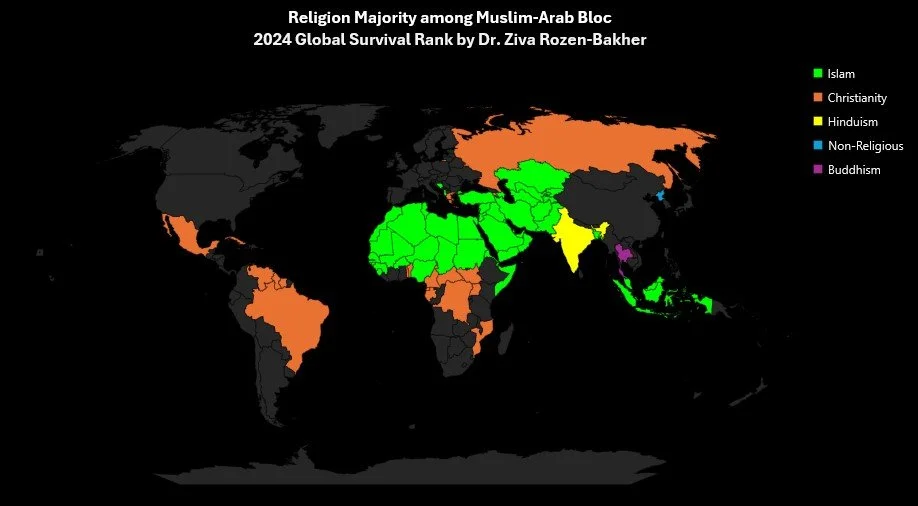
Criteria F. Muslim-Arab Bloc. Criteria F refers to Countries that are considered as part of the Muslim-Arab Bloc. The Muslim-Arab Bloc is a Powerful Bloc at the Political, Economic and Military Levels, which includes the Members and Observer States of the Following Alliances: Organisation of Islamic Cooperation (OIC), Arab League, OPEC, and Gulf Cooperation Council (GCC) (see the Full List via the link below), as well as countries that act upon the Interests of the Muslim-Arab Bloc, such as countries that don’t recognize the State of Israel. However, keep in mind, that some Members and Observer States that belong to the Alliances of the Muslim-Arab Bloc don’t have an Islam Majority in their countries (see Appendix XXII), still, these non-Islamic countries act upon the objectives of the Muslim-Arab Bloc. Importantly, the Extraordinary Joint Summit of the Organisation of Islamic Cooperation (OIC) and the Arab League about the Gaza War that was held in Saudi Arabia on November 2023 is a good example of the unification of the Arab World and the Muslim World to promote the Self-Determination of Palestine. Even the recent decision of the Arab League to remove Hezbollah from the list of terrorist organizations (see Appendix XV) signals the readiness of the Muslim-Arab Bloc to assist those who fight directly against Israel. Hence, we can assume that countries that are part of the Muslim-Arab Bloc may be more willing to assist Palestine in its fight for Self-Determination compared to those countries that don’t belong to the Muslim-Arab Bloc.
For the List of Countries included in the Muslim-Arab Bloc, Please see Section E33. Muslim-Arab Bloc: OIC, Arab League, OPEC and GCC https://www.rozen-bakher.com/gsr/2024/e/33, 2024 Global Survival Rank (GSR) by Dr. Ziva Rozen-Bakher https://www.rozen-bakher.com/global-survival-rank-zrb/2024)
Criteria G. Countries that Filled or Joined or Backed the Legal Fight Against Israel: South Africa’s Genocide Case in International Court of Justice (ICJ) and the Case of War-Crimes and Crimes Against Humanity in International Criminal Court (ICC). Criteria G refers to countries that Filled or Joined or Backed the Legal Fight Against Israel in ICJ and ICC, which indicates the readiness of these countries to put efforts into the fight of Palestine against Israel in order to end the Israeli occupation in Gaza and the West Bank, as well as to punish Israel at the legal level for the alleged crimes committed against Palestinians. However, keep in mind, that there are three Legal Clusters (see the link below): Cluster Legal I refers to countries that Filled claims to courts. Cluster Legal II refers to countries that their government declared that the country Backed the legal fight against Israel. Cluster Legal III refers to countries that are members of the Organization of Islamic Cooperation (OIC), Arab League and African Union (AU), still, all of them backed the legal fight against Israel on behalf of all their members. Note, the African Union (AU) even suspended the Observer State of Israel in February 2023 (see the link below). Anyway, regardless of the Legal cluster, we can assume that countries that Filled or Joined or Backed the Legal Fight Against Israel will do more for Palestine in their fight for Self-Determination compared to countries that aren’t involved in the Legal Fight Against Israel. Notably, the List of Countries that Filled or Joined or Backed the Legal Fight Against Israel that used in this analysis is updated to 22 June 2024, yet it is possible to see the latest list via the link below.
For the Legal Clusters, List of Countries that Filled or Joined or Backed the Legal Fight Against Israel, Please see Legal Clusters of the Legal Fight Against Israel: South Africa’s Genocide Case in International Court of Justice (ICJ) and the Case of War-Crimes and Crimes Against Israel in International Criminal Court (ICC), Monitoring Risks by Dr. Ziva Rozen-Bakher https://www.rozen-bakher.com/monitoringrisks/palestine-iccandicj
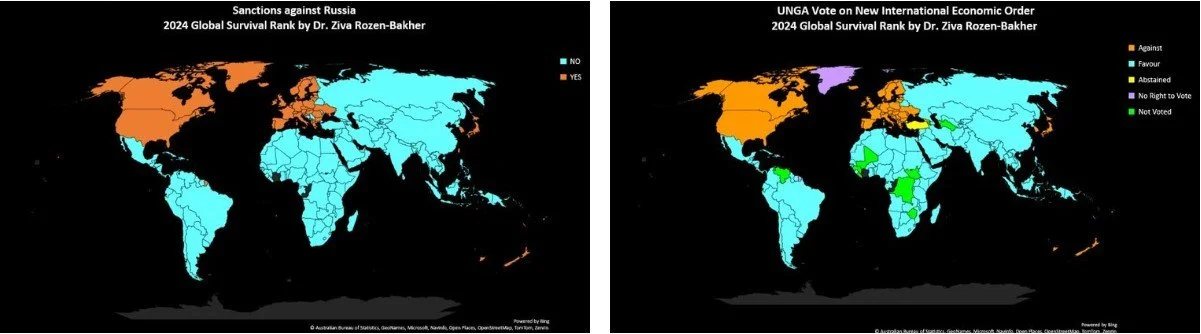
Criteria H. Coalition: Russia-China Coalition versus USA Coalition. Criteria H refers to which Coalition a country belongs to in terms of the Global Order namely, if a country belongs to the Russia-China Coalition or USA Coalition or ‘Sitting on the Fence’ Countries (see links below). More specifically, Criteria H reflects the Current Global Order that includes One Superpower, the USA versus the Dual Superpowers of Russia-China, which has led de-facto to Two Coalitions: The USA Coalition that includes the Allies of the USA versus the Russia-China Coalition that includes the Allies of Russia-China, still, some countries are considered as ‘Sitting On the Fence’ Countries because they are not fully faithful, neither to the USA nor to Russia-China. Hence, the current Determination of Coalitions (see link below) namely, to which coalition each country belongs is based on two main indicators: Sanctions Against Russia and the UN Vote about the ‘New International Economic Order’ (see Appendix XVI and Appendix XVII). Considering the above, Criteria H is based on the rationale that countries that are part of the Russia-China Coalition will do more for Palestine compared to countries that are part of the USA Coalition, because Palestine and its allies that are involved in the current war against Israel have more Allies among the Russia-China Coalition, while Israel has more Allies among the USA Coalition.
For the Definition of Coalitions, Please see Section C2.9 in 2024 Global Survival Rank (GSR) by Dr. Ziva Rozen-Bakher https://www.rozen-bakher.com/global-survival-rank-zrb/2024
For Russia-China Coalition, Please see Section E35. Russia-China Coalition https://www.rozen-bakher.com/gsr/2024/e/35, 2024 Global Survival Rank (GSR) by Dr. Ziva Rozen-Bakher https://www.rozen-bakher.com/global-survival-rank-zrb/2024
For ‘Sitting On the Fence’ Countries, Please see Section E36. ‘Sitting On the Fence’ Countries https://www.rozen-bakher.com/gsr/2024/e/36
For USA Coalition, Please see Section E34. USA Coalition https://www.rozen-bakher.com/gsr/2024/e/34, 2024 Global Survival Rank (GSR) by Dr. Ziva Rozen-Bakher https://www.rozen-bakher.com/global-survival-rank-zrb/2024
2.3 Cluster Analysis by Criteria
Considering the Criteria outlined in the previous section, the Cluster Analysis includes eight Clusters (Cluster I - Cluster VIII) in a way that each Cluster meets at least one of the Criteria (Criteria A-H). However, keep in mind that each country can be included only in one Cluster namely, in the Cluster with the Highest Priority that the country meets its Criteria. The Highest Priority refers to Cluster I, while the Lowest Priority refers to Cluster VIII. Thereby, the Cluster Analysis includes eight Clusters, as follows:
Cluster I: Involvement in the Current War against Israel with at Least One of the Types of Involvement (Type I-Type VI), October 2023 - Current. Cluster I is based on Criteria A, namely it includes countries that already Openly joined the Current Attrition War (10/2023) against Israel with at least one of the Types of Involvement (Type I-Type VI). Still, keep in mind that more countries may involve secretly in the war against Israel with at least one of the Types of Involvement, yet without proven information about it, we can not take into account Secretly Involvement in Cluster I. Importantly, any country that is included in Cluster I jumped from Lower Clusters to the Top Cluster I namely, each country in Cluster I has a Previous Cluster, as presented in Table 2 below. In other words, the Previous Cluster in Table 2 illustrates the rationale of the Cluster Analysis in a way that any country can jump from any Lower Priority Cluster to Cluster I, yet the probability of jumping to Cluster I is higher among the Clusters with Higher Priority compared to Clusters with Lower Priority. Nevertheless, it is possible that a country will make a few jumps until reaching Cluster I. For example, as shown in Chart II, Colombia was in Cluster VII, yet when it joined the Genocide Case, then it jumped to Cluster VI, still after that, Colombia Jumped to Cluster IV when it Cut the Diplomatic Relations with Israel, and eventually, Colombia jumped to Cluster I when it imposed Economic Sanctions against Israel, so Colombia made 3 jumps until reaching Cluster I. Considering the above, any country that will openly join the war against Israel with various Types of Involvement in the coming future will jump from one of the Lower Priority Clusters to the Highest Priority Cluster - Cluster I.
Table 2. Cluster I sorted by Previous Cluster
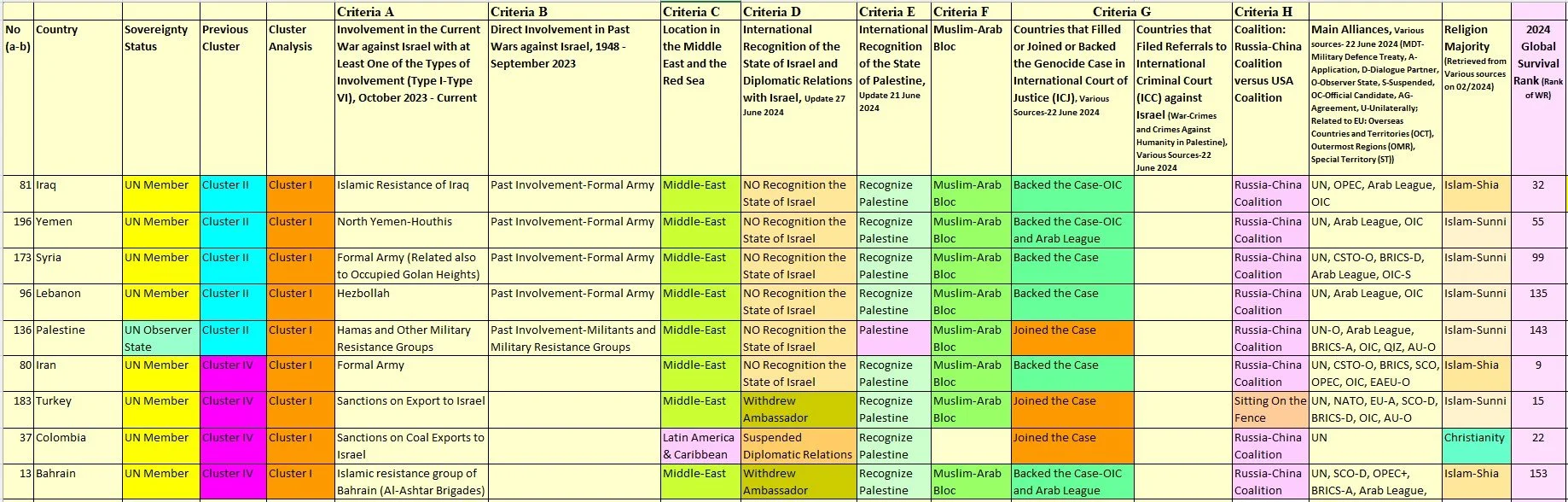
Chart 2. The Case of Colombia: The Jumping Up Process From Lower Priority Clusters to Higher Priority Clusters until Reaching the Top Cluster I

Cluster II: Countries Located in the Middle East and the Red Sea and had Direct Involvement in Past Wars Against Israel (1948 - September 2023) (Excluding Cluster I). Cluster II is based on Criteria B and Criteria C namely, it includes countries that have the most probability of being involved in the war against Israel with various Types of Involvement because of their close location to Israel, as well as due to their Direct involvement in Past Wars against Israel, whether they currently recognise or not recognize the State of Israel. Cluster II is based on the rationale that a combination of an opportunity to attack Israel within the range of missiles and drones along with a background of hostility against Israel due to past wars, can trigger involvement in the current war against Israel, either Directly or Indirectly, even among countries that currently recognize the State of Israel. Besides, the location in the Middle East gives the opportunity for smuggling weapons and ammunition into Gaza and the West Bank. For example, Egypt has a Cold Peace Agreement with Israel following several harsh wars with Israel that still left the ‘Arab Street’ in Egypt hostile to Israel, especially amid the Gaza War, which makes it easy for Palestinians to get military assistance against Israel from the Egyptian people. Nevertheless, if we look at the Types of Involvement related to Egypt, then since the Peace Agreement, countless Direct Military confrontations occurred between the Egyptian Army and the Israeli Army even during the current war, resulting in casualties on both sides (see Appendix XVIII and Appendix IXX). Hence, we can assume that countries that belong to Cluster II may join the war against Israel, still, some of them will join secretly, either via Indirect Involvement or based on volunteering involvement, while other countries may join Openly, either via Formal War or Informal War.
Cluster III: Countries that Don’t Recognize the State of Israel or Cut Diplomatic Relations with Israel and had Direct Involvement in Past Wars Against Israel (1948 - September 2023) (Excluding Clusters I-II). Cluster III is based on Criteria B and Criteria D, namely, it includes countries that have the most hostility against Israel in a way that these countries don’t recognize the State of Israel and had Direct Involvement in Past Wars Against Israel, still, on contrary to Cluster II, this Cluster includes countries outside the Middle East and the Red Sea. That means that Cluster III includes countries that sent troops to fight against Israel in the past, despite that their location is far from Israel, such as North Korea and Cuba which were involved in the Yom Kippur War (1973). Hence, this Cluster gets a High Priority because if a country is ready to send troops despite that the country is located very far from Israel, then paradoxically, it signals significant hostility among these countries against Israel. Note, theoretically, the Soviet Union (USSR) is also included in this Cluster because the USSR was involved in the War of Attrition (1967–70) against Israel following the withdrawal of the USSR from Recognition of the State of Israel in 1967 which lasted until the dissolution of the USSR in 1991. Thus, on the one hand, it is possible to define Russia as a country that had Direct Involvement in Past Wars Against Israel because Russia led the USSR, but on the other hand, Russia is a different entity from the USSR. Besides, the USSR included not only Russia but also other countries, so if we define Russia as a country with Past Involvement, then we may need to define it also in relation to other former USSR countries. Thereby, after considering this dilemma, eventually, Russia is not included in the list of countries that had Direct Involvement in Past Wars Against Israel, still, keep in mind, that Russia can be classified in a higher cluster than its cluster today if we refer to Russia like the USSR. Hence, Cluster IVa refers to the Former USSR-East Countries (see Appendix XX and Appendix XXI), but it is not included in the Cluster Analysis. Note, that there are no additional countries that meet the Criteria of Cluster IVa, but only Former USSR-East Countries.
Cluster IV: Countries that Don’t Recognize the State of Israel or Cutting Diplomatic Relations with Israel, but without Direct Involvement in Past Wars Against Israel (1948 - September 2023) (Excluding Clusters I-III). Cluster IV has similarities to Cluster III in a way that both of them are based on the same Criteria (Criteria B and Criteria D), still, the difference between them is that Cluster III includes countries that had Direct Involvement in Past Wars Against Israel, while Cluster IV without past involvement in wars, anyway, both Clusters includes countries that Don’t Recognize the State of Israel or Cut the Diplomatic Relations with Israel. Hence, this cluster includes countries that don’t recognize Israel, yet without a background of past involvement. However, despite that these countries have no past involvement in wars against Israel, the fact that most of these countries Never recognized Israel or cut diplomatic relations with Israel can trigger involvement in the war against Israel, either Formally or Informally, such as Iran and Bahrain that were jumped to Cluster I from this cluster, still, Iran joined the war via Indirect Military Support and even via its Formal Army, while Bahrain joined Informally via the Islamic Resistance Group of Bahrain (Al-Ashtar Brigades). Hence, we can assume that more countries already joined Indirectly the war against Israel from Cluster IV, while additional countries will join the war via formal army if an All-Out-War erupts, such as Afghanistan’s ruling Taliban has already declared that Afghanistan will send troops to Lebanon to fight together with Hezbollah against Israel if Israel invades Lebanon (see appendix IV).
Cluster V: Countries that Recognize the State of Palestine among Muslim-Arab Bloc (Excluding Clusters I-IV). Cluster V is based on Criteria E and Criteria F namely, it includes countries that recognize the State of Palestine among the Muslim-Arab Bloc namely, the Members and Observer States of OIC, Arab League, OPEC and GCC, still, keep in mind, that the Muslim-Arab Bloc includes not only Islamic countries but also non-Islamic countries that share the same interests (see Appendix XXII). Importantly, all the Alliances under the Muslim-Arab Bloc (see links below) act as Political and Economic Alliances, yet the Arab League and GCC act also as Military Alliances namely, they have a Military Defence Treaty. More specifically, the Arab League has a Military Defence Treaty with a Commitment to Defence in the Case of an Attack via the Arab Joint Security Pact that was signed in 1950. However, even before that, the Arab League mobilized the Arab Armies during the 1948 Palestine war amid the establishment of the State of Israel, still, only in 1961 the Arab League established the Joint Arab Command (JAC) to coordinate the Joint Defence that based on the principles of the Arab Joint Security Pact. Nevertheless, in 2015, the Arab League agreed in principle to form a Joint Military Force to improve the response of Arab Countries in the case of Military Crises and Wars. However, GCC already has a Force with a Military Defence Treaty, the Peninsula Shield Force, still, the Peninsula Shield Force of GCC Formally includes only 6 members, yet an additional 14 countries may be considered observer States or even ‘Informal Members’ because these 14 countries participated in the joint military exercise of North Thunder which took place for one month in Saudi Arabia (see Appendix XXIII). Hence, the Arab League and GCC have the military capabilities to get into direct war as a collective force, yet the assumption that this scenario may happen only if will erupt All-Out-War that will escalate into a regional war in the Middle East and beyond. Nevertheless, OIC and OPEC can be involved in the war Indirectly or via Economic Sanctions as what happened because of the Yom Kippur War in 1973 when OPEC imposed an Embargo on Oil on the USA and its allies (see Appendix XXIV) as part of the war against Israel.
Arab League. Section E21. Arab League and its Arab Joint Security Pact https://www.rozen-bakher.com/gsr/2024/e/21, 2024 Global Survival Rank (GSR) by Dr. Ziva Rozen-Bakher https://www.rozen-bakher.com/global-survival-rank-zrb/2024
GCC. Section E20. Gulf Cooperation Council (GCC) and its Peninsula Shield Force https://www.rozen-bakher.com/gsr/2024/e/20, 2024 Global Survival Rank (GSR) by Dr. Ziva Rozen-Bakher https://www.rozen-bakher.com/global-survival-rank-zrb/2024
OPEC. Section E31. Organization of the Petroleum Exporting Countries (OPEC) https://www.rozen-bakher.com/gsr/2024/e/31, 2024 Global Survival Rank (GSR) by Dr. Ziva Rozen-Bakher https://www.rozen-bakher.com/global-survival-rank-zrb/2024
OIC. Section E32. Organisation of Islamic Cooperation (OIC) https://www.rozen-bakher.com/gsr/2024/e/32, 2024 Global Survival Rank (GSR) by Dr. Ziva Rozen-Bakher https://www.rozen-bakher.com/global-survival-rank-zrb/2024
Cluster VI: Countries that Recognize the State of Palestine and Filled or Joined or Backed the Legal Fight Against Israel: South Africa’s Genocide Case in International Court of Justice (ICJ) and the Case of War-Crimes and Crimes Against Humanity in International Criminal Court (ICC) (Excluding Clusters I-V). Cluster VI is based on Criteria E and Criteria G namely, it includes countries that recognize the State of Palestine and even Filled or Joined or Backed the Legal Fight Against Israel in ICJ and ICC. Cluster VI is based on the rationale that countries that believe that Israel committed Genocide or War Crimes or Crimes against Humanity in Gaza and the West Bank will be ready to do more for the State of Palestine in its military fight for Self-Determination compared to countries that don't believe that Israel committed these crimes, such as several USA senators that even threatened to impose sanctions against the International Criminal Court (ICC) due to the forthcoming Arrest Warrants against Israeli leaders due to the War Crimes or Crimes against Humanity of Israel in Gaza.
Risks Timeline by Dr. Ziva Rozen-Bakher, 07 May 2024, ‘USA Senate International Court’: The Obstruction of Justice by USA Senate via Threatening to Impose Sanctions against International Criminal Court (ICC) https://www.rozen-bakher.com/timeline-risks/07/05/2024/0644
Cluster VII: Countries that Recognize the State of Palestine among the Russia-China Coalition and ‘Sitting on the Fence’ Countries (Excluding Clusters I-VI). Cluster VII is based on Criteria E and Criteria H namely, it includes countries that recognize the State of Palestine among the Russia-China Coalition and ‘Sitting on the Fence’ Countries. The Russia-China Coalition includes countries that in general oppose the dominance of the USA including the role of the USA in providing weapons and ammunition to Israel to carry out the war in Gaza, so we can assume that the antagonism against Israel and the USA can trigger involvement in the war against Israel, still, keep in mind, that Cluster VII is ranked with a Low Priority namely, many countries among the Russia-China Coalition are already included in higher clusters (Cluster I - Cluster VI), so those countries that included in Cluster VII have less motivation to be involved in the war against Israel, and if yes, then we can assume that it will be secretly via Indirect Involvement or Openly via Economic Sanctions.
Cluster VIII: Countries that Recognize the State of Palestine among the USA Coalition (Excluding Clusters I-VII). Cluster VIII like Cluster VII is also based on Criteria E and Criteria G, yet with the distinction between countries that in general are Not Allies of the USA and Israel (Cluster VII) versus countries that in general are Allies of the USA and Israel (Cluster VIII) yet they recognize the State of Palestine. Hence, Cluster VIII includes countries that recognize the State of Palestine, which reflects empathy for the Self-Determination of Palestine, yet without putting any effort into that like other countries that are included in Higher Priority clusters, such as Cluster I - Cluster VI. Importantly, Cluster VIII includes only countries that are Allies of the USA, so unlikely that these countries will be involved militarily in the war against Israel, still, these countries may join the war by imposing Economic Sanctions or Arms Embargo.
3. Methodology
Sample of the Cluster Analysis. The Sample of the Cluster Analysis includes 203 countries (194 UN members and UN Observer State and 9 Disputed Countries) (see the links below). The sample excluded Colonies that have no right to make Foreign Policy decisions or Defence decisions or recognizing other states.
For the full list of UN Members & UN Observer States, please see Section E10.1, and for Disputed Countries, please see Section E10.3 in Section E10. All Countries and Colonies, sorted by Sovereignty Status https://www.rozen-bakher.com/gsr/2024/e/10, 2024 Global Survival Rank (GSR) by Dr. Ziva Rozen-Bakher https://www.rozen-bakher.com/global-survival-rank-zrb/2024
Variables of the Cluster Analysis. The Cluster Analysis includes 3 Sets of Variables: Criteria, Clusters and Types of Involvement as presented in Table I. The Set of Types of Involvement in the War against Israel includes six Types (Type I - Type VI) as discussed in Section 2.1. The Set of Criteria includes eight Criteria (Criteria A-Criteria H) as discussed in Section 2.2. The Set of Clusters includes eight Clusters (Cluster I - Cluster VIII) as discussed in Section 2.3.
Data Sources of Criteria. The database of Criteria is based on various open sources, including information from newspapers and media.
Test of the Cluster Analysis. The Test of the Cluster Analysis was run on the sample (203 countries) based on Criteria (Criteria A-Criteria H) in two steps. In the First Step, the Test dropped countries that didn’t meet any Criteria, while in the Second Step, each country was classified only in one Cluster namely, the Cluster with the Higher Priority that the country met its Criteria. The Highest Priority refers to Cluster I, while the Lowest Priority refers to Cluster VIII.
4. Results of the Cluster Analysis
4.1 Number of Countries that Met the Criteria of the Cluster Analysis by Cluster
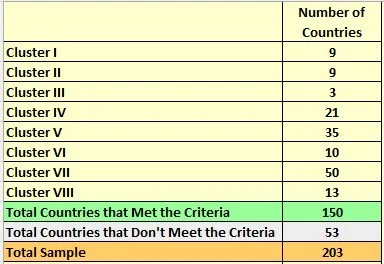
Following the Test of the Cluster Analysis explained in the previous section, the results showed that 53 countries dropped in the First Step because they did not meet any Criteria, while in the Second Step, 150 countries met one of the Clusters as shown in Table 3 below.
Table 3. Number of Countries that Met the Criteria by Cluster
4.2 Results of Each Cluster via Map and Table, sorted by 2024 Global Survival Rank
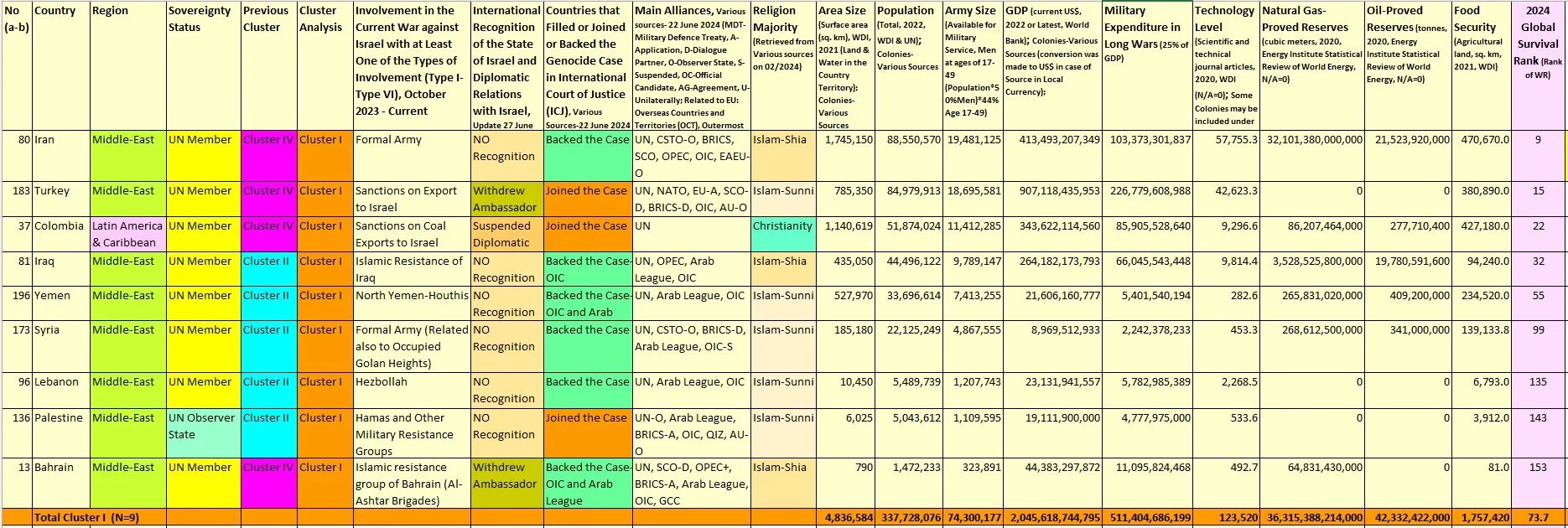
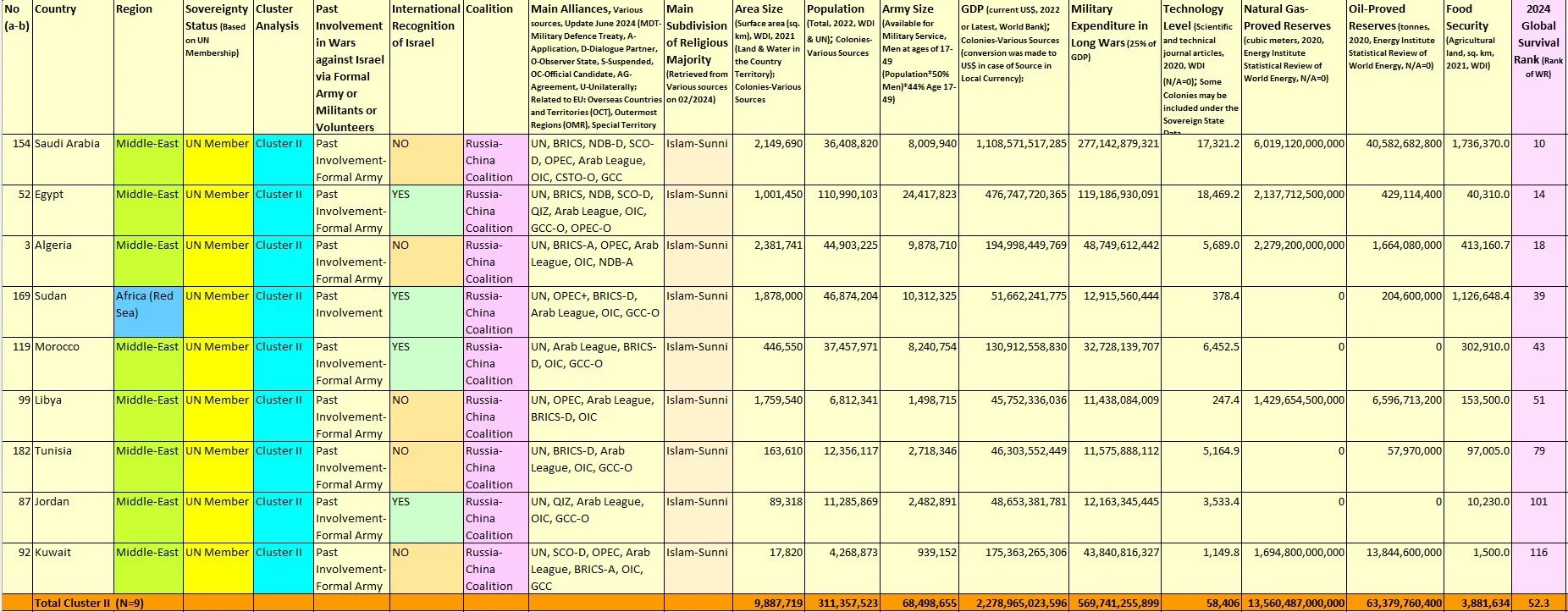
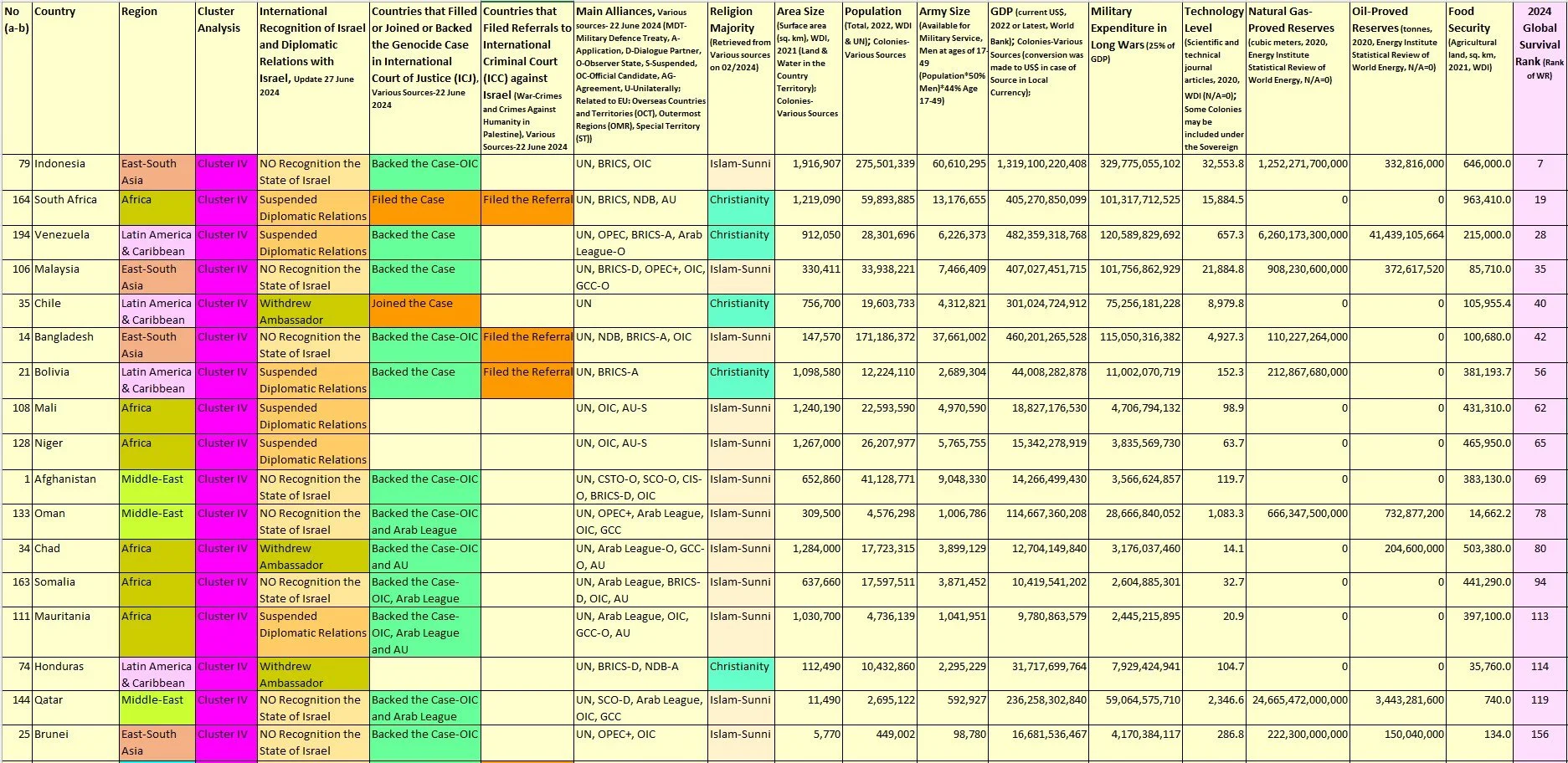
This section presents the results of each Cluster via Map and Table. The results of each cluster present the List of Countries included in the Cluster via a Table that includes the List of Countries of the Cluster, sorted by the 2024 Global Survival Rank (GSR) (see Link below).
2024 Global Survival Rank (GSR) by Dr. Ziva Rozen-Bakher https://www.rozen-bakher.com/global-survival-rank-zrb/2024
Cluster I, N=9
List of Countries Included in Cluster I: Involvement in the Current War against Israel with at Least One of the Types of Involvement (Type I-Type VI), October 2023 - Current
Map 1. Map of Cluster I: Countries Included in Cluster I
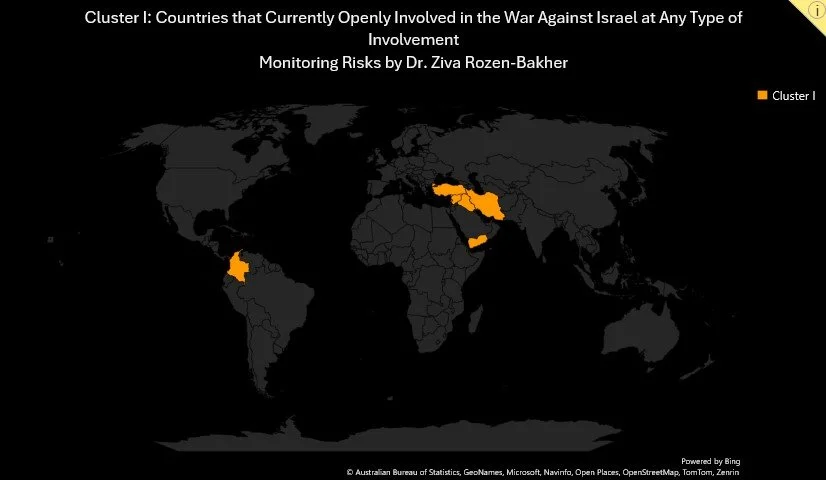
Table 4. Israel: 2024 Global Survival Rank (GSR)

Table 5. Cluster I: List of Countries Included in Cluster I, sorted by 2024 Global Survival Rank (GSR), N=9
Cluster II, N=9
List of Countries Included in Cluster II: Countries Located in the Middle East and the Red Sea and had Direct Involvement in Past Wars Against Israel (1948 - September 2023) (Excluding Cluster I)
Map 2. Cluster II: Countries Included in Cluster II
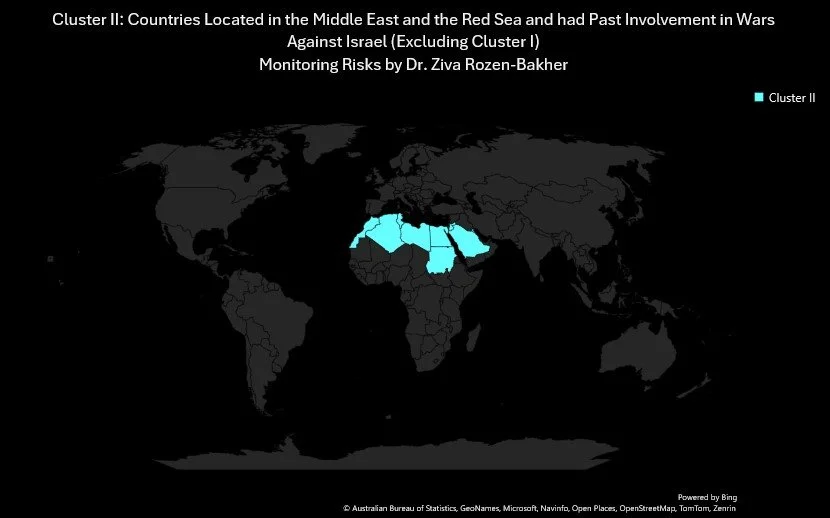
Table 6. Cluster II: List of Countries Included in Cluster II, sorted by 2024 Global Survival Rank (GSR), N=9
Cluster III, N=3
List of Countries Included in Cluster III: Countries that Don’t Recognize the State of Israel or Cut Diplomatic Relations with Israel and had Direct Involvement in Past Wars Against Israel (1948 - September 2023) (Excluding Clusters I-II)
Map 3. Cluster III: Countries Included in Cluster III
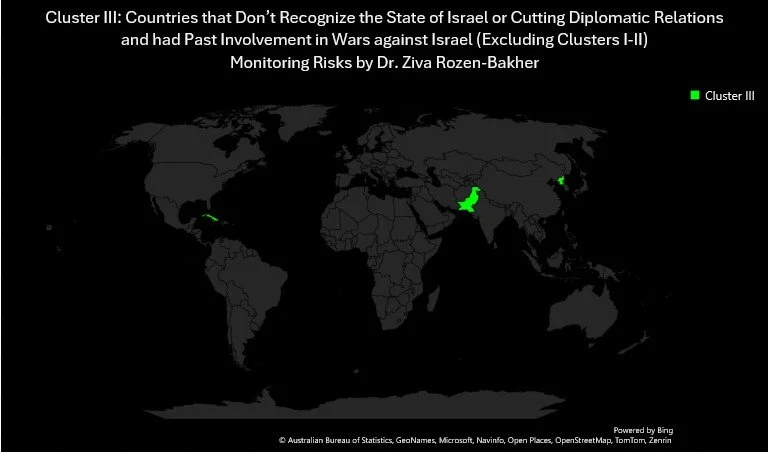
Table 7. Cluster III: List of Countries Included in Cluster III, sorted by 2024 Global Survival Rank (GSR), N=3

Cluster IV, N=21
List of Countries Included in Cluster IV: Countries that Don’t Recognize the State of Israel or Cutting Diplomatic Relations with Israel, but without Direct Involvement in Past Wars Against Israel (1948 - September 2023) (Excluding Clusters I-III)
Map 4. Cluster IV: Countries Included in Cluster IV
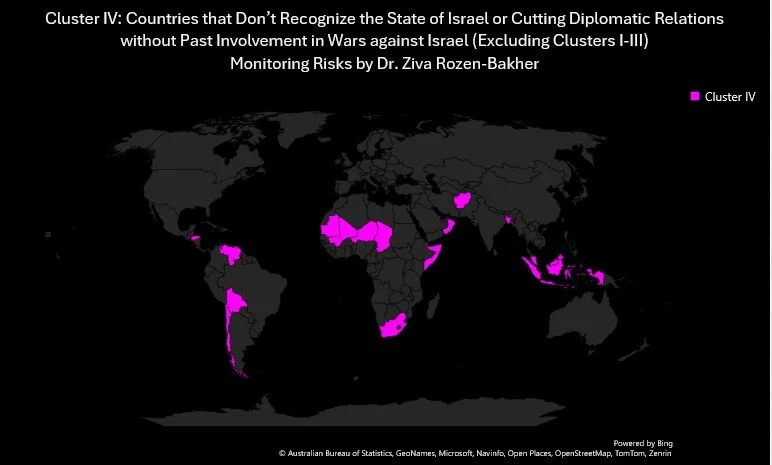
Table 8. Cluster IV: List of Countries Included in Cluster IV, sorted by 2024 Global Survival Rank (GSR), N=21

Cluster V, N=35
List of Countries Included in Cluster V: Countries that Recognize the State of Palestine among Muslim-Arab Bloc (Excluding Clusters I-IV)
Map 5. Cluster V: Countries Included in Cluster V
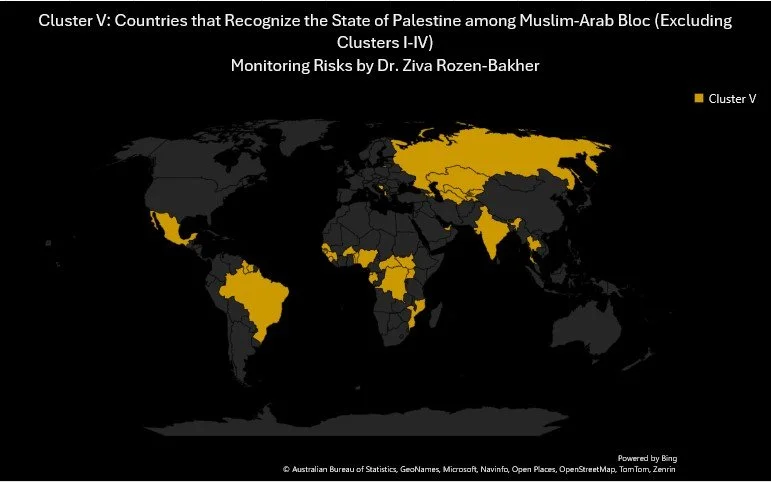
Table 9. Cluster V: List of Countries Included in Cluster V, sorted by 2024 Global Survival Rank (GSR), N=35
Cluster VI, N=10
List of Countries Included in Cluster VI: Countries that Recognize the State of Palestine and Filled or Joined or Backed the Legal Fight Against Israel: South Africa’s Genocide Case in International Court of Justice (ICJ) and the Case of War-Crimes and Crimes Against Humanity in International Criminal Court (ICC) (Excluding Clusters I-V)
Map 6. Cluster VI: Countries Included in Cluster VI
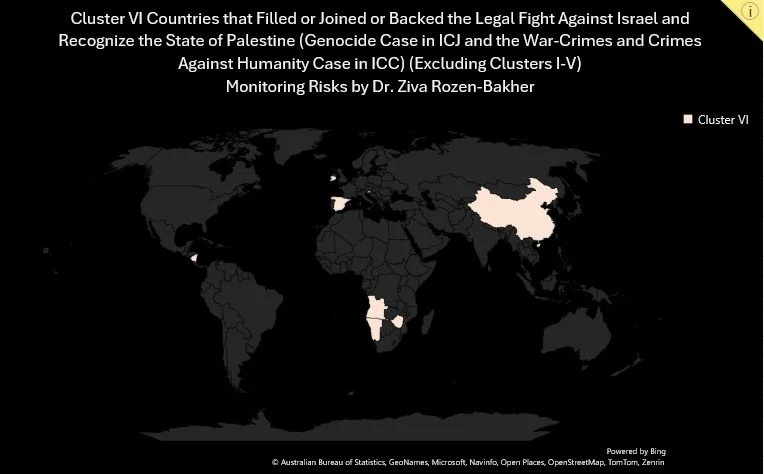
Table 10. Cluster VI: List of Countries Included in Cluster VI, sorted by 2024 Global Survival Rank (GSR), N=10
Cluster VII, N=50
List of Countries Included in Cluster VII: Countries that Recognize the State of Palestine among the Russia-China Coalition and ‘Sitting on the Fence’ Countries (Excluding Clusters I-VI)
Map 7. Cluster VII: Countries Included in Cluster VII
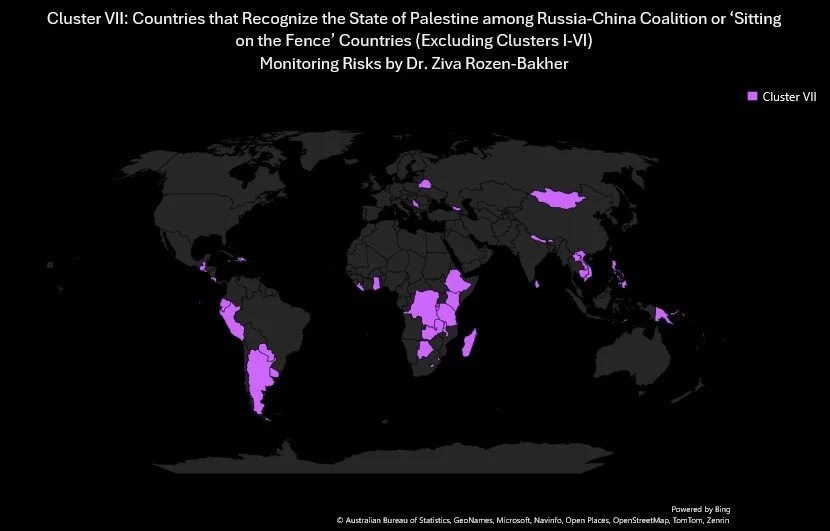
Table 11. Cluster VII: List of Countries Included in Cluster VII, sorted by 2024 Global Survival Rank (GSR), N=50
Cluster VIII, N=13
List of Countries Included in Cluster VIII: Countries that Recognize the State of Palestine among the USA Coalition (Excluding Clusters I-VII)
Map 8. Cluster VIII: Countries Included in Cluster VIII
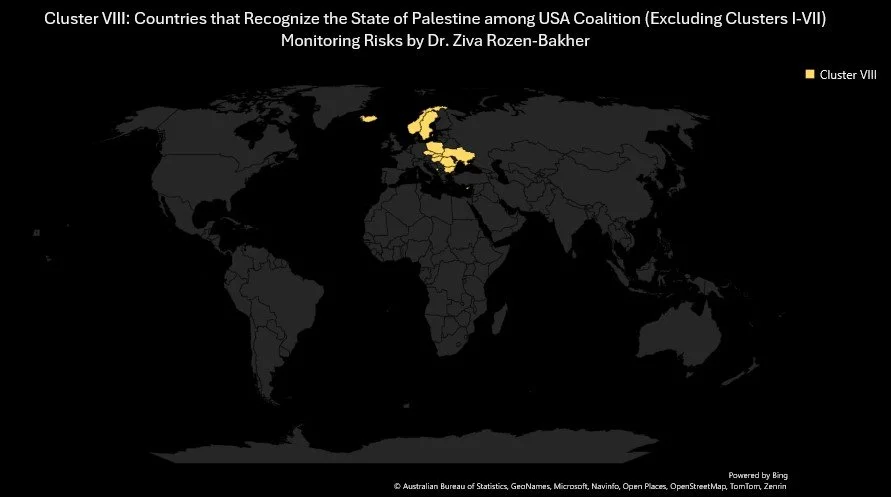
Table 12. Cluster VIII: List of Countries Included in Cluster VIII, sorted by 2024 Global Survival Rank (GSR), N=13
4.3 Results of All Clusters by All Criteria via Map and Summary Table, sorted by Cluster and Alphabetical Order
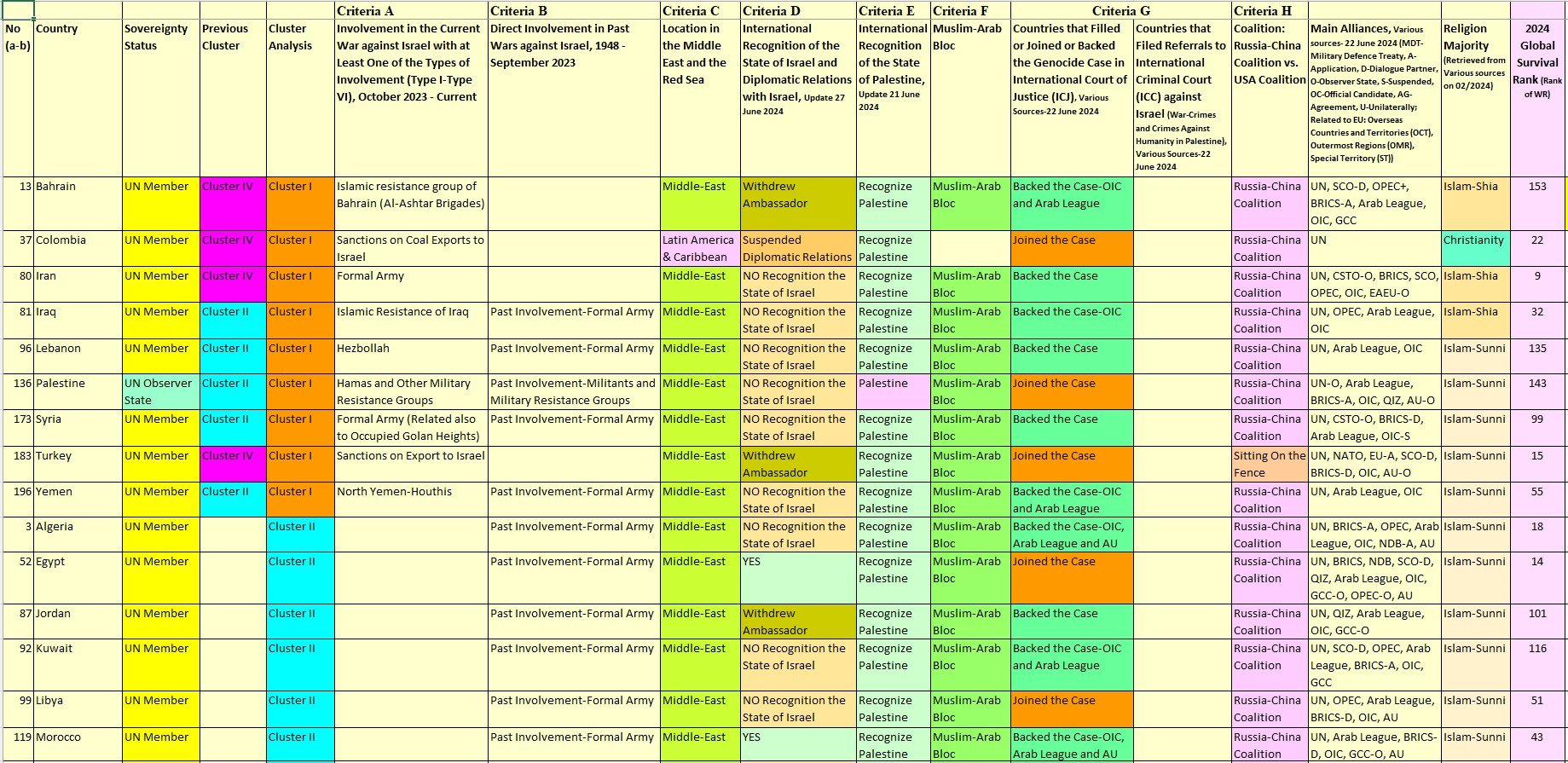
Results of All Clusters by All Criteria, N=150 - List of Countries included in All Clusters including All Criteria
Map 9. All Clusters
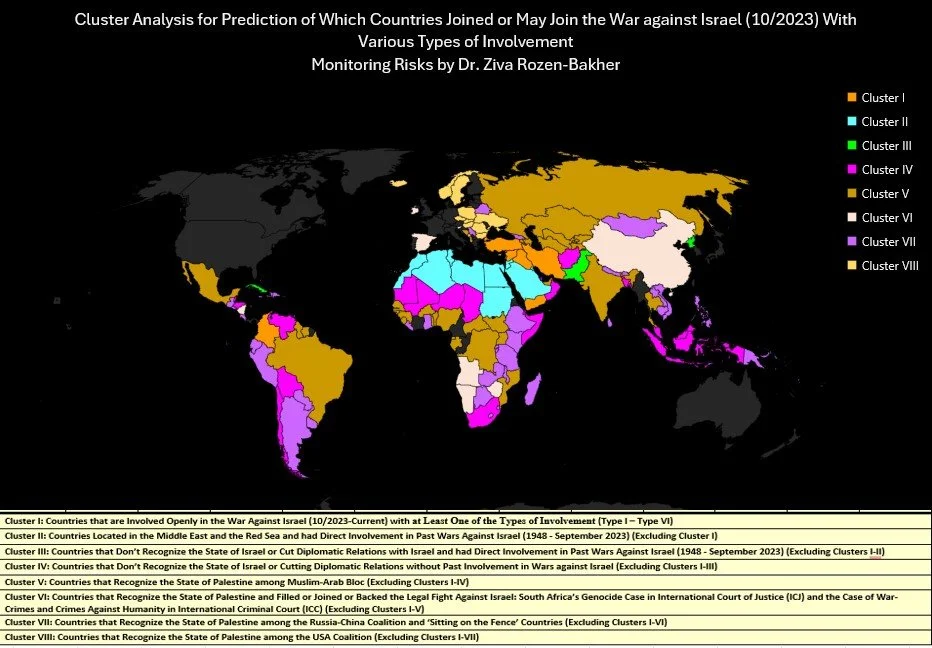
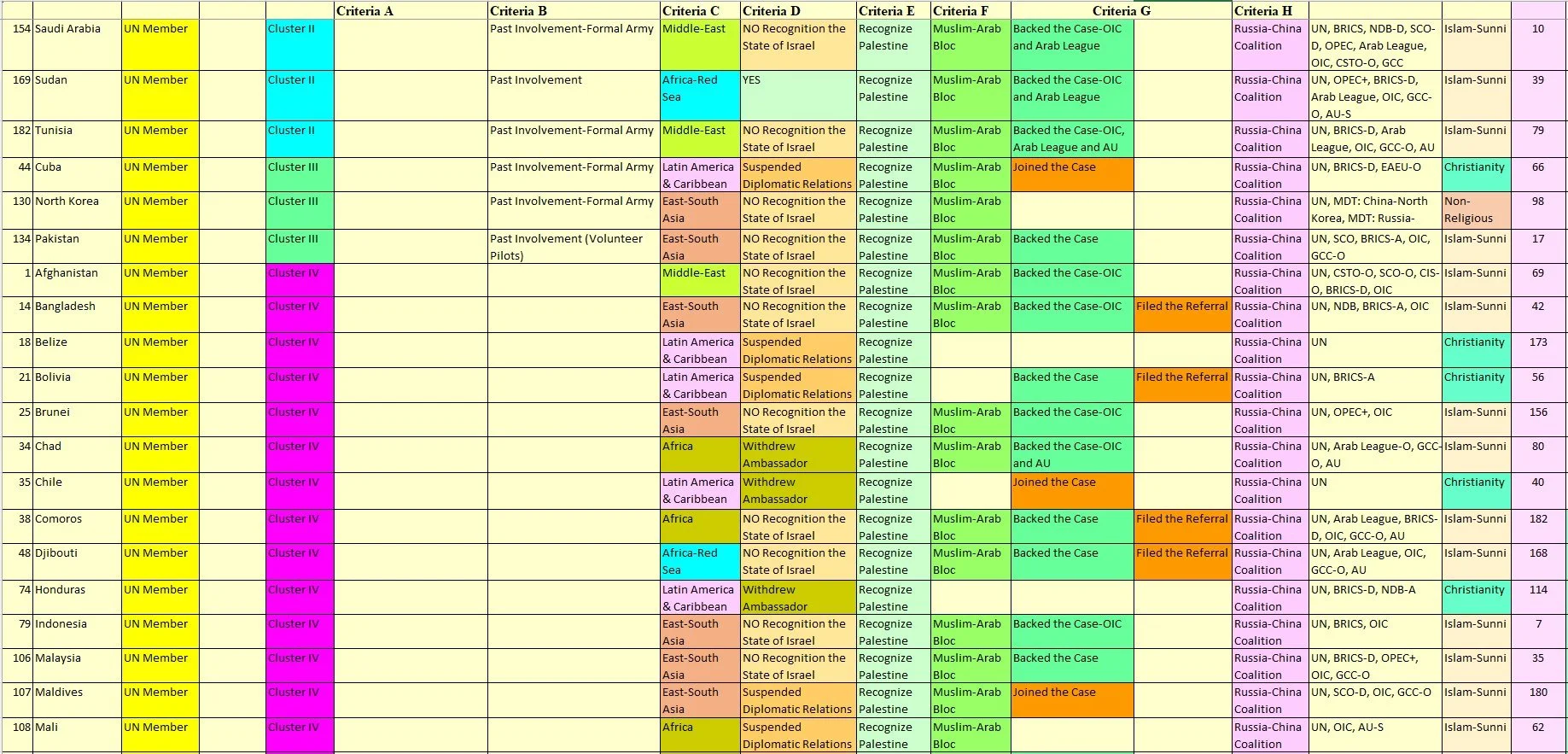
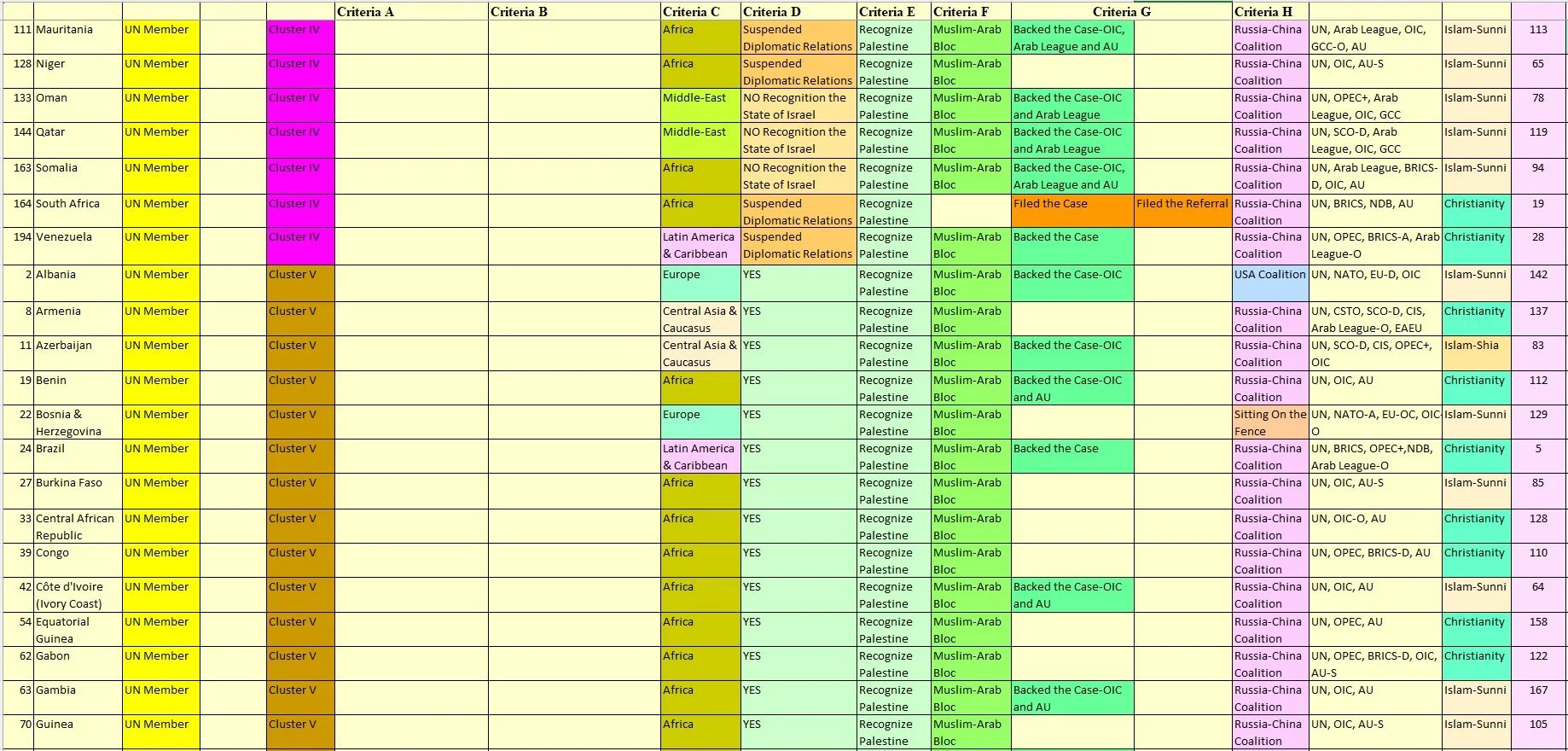
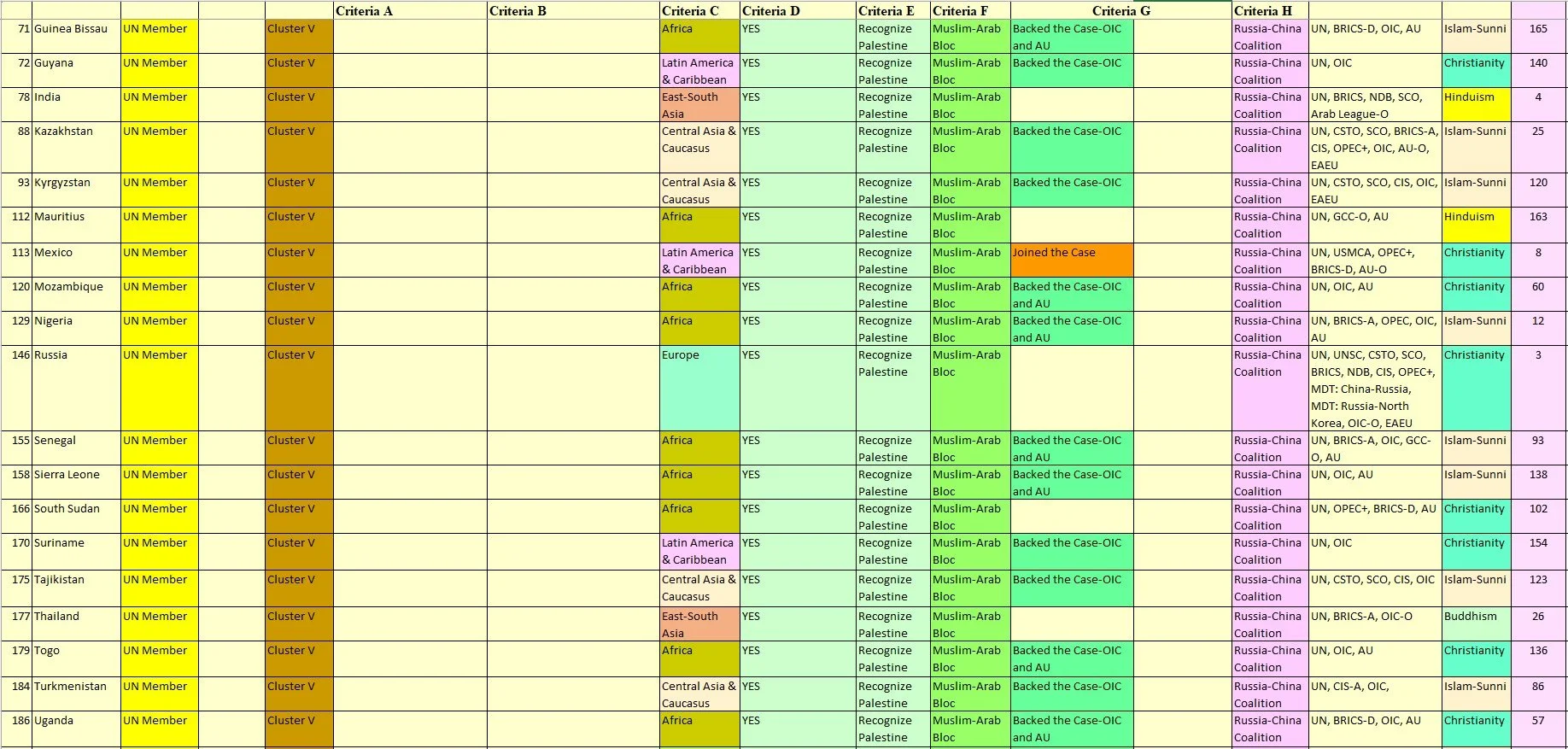
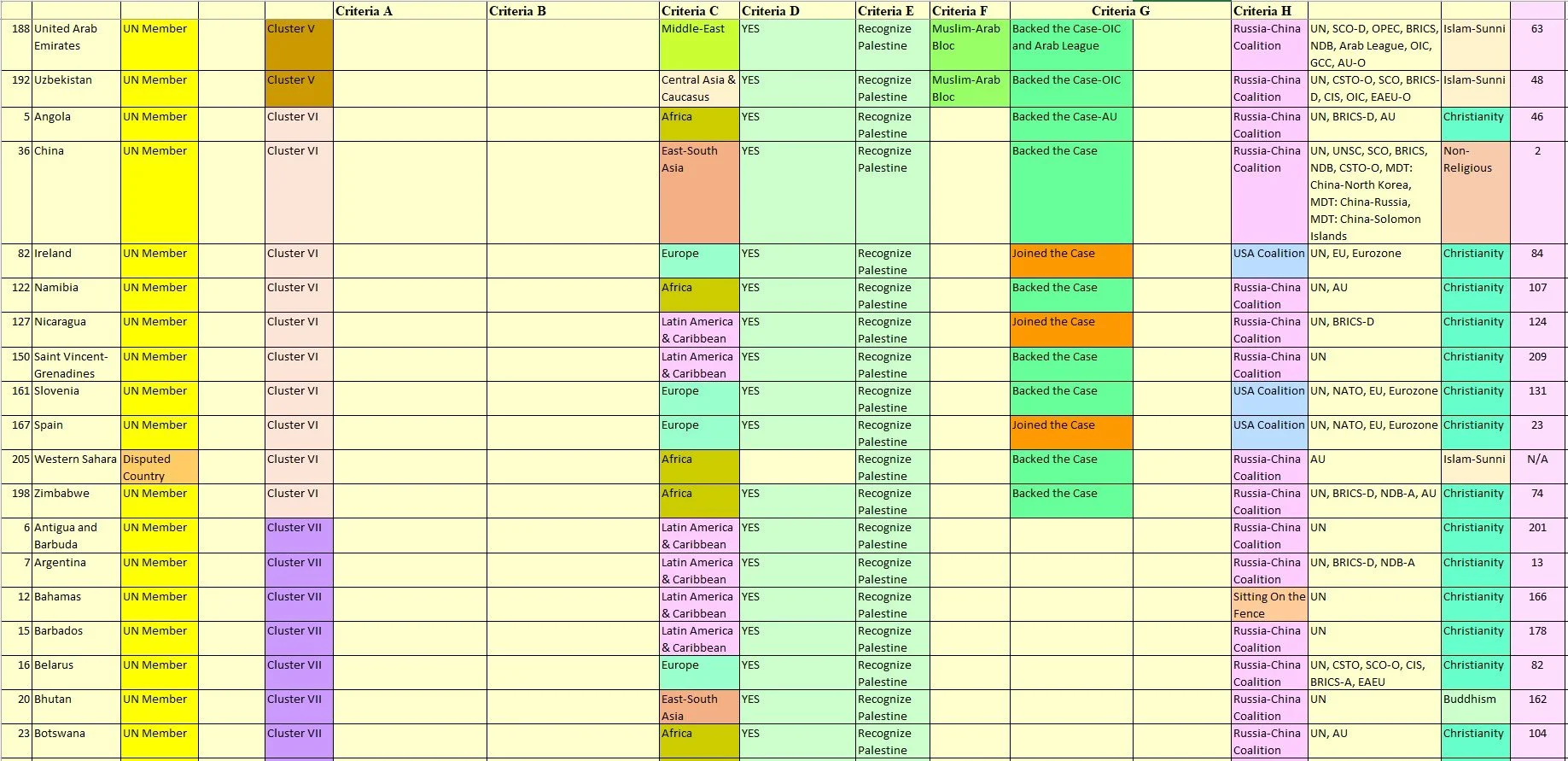
Table 13. All Clusters by All Criteria: List of Countries Included in All Clusters I-VIII, sorted by Cluster and Alphabetical Order, N=150
5. Summary and Concluding Remarks
The war that erupted between Israel and Hamas on 07 October 2023 is considered one of the worst wars in modern history in terms of the humanitarian crisis and the toll of casualties in Gaza, especially among children, which have escalated the hostility and anger against Israel worldwide due to the long occupation of Palestine under harsh persecution. The hostility and anger against Israel come to the fore via cutting diplomatic ties with Israel and joining or backing the legal fight against Israel in ICJ and ICC even among countries that are considered as friendly countries of Israel. However, the hostility and anger against Israel have not led only to suspension the diplomatic relations with Israel or the joining the Genocide Case in ICJ, but it also has triggered Involvement in the war against Israel, either Openly or Secretly. Openly via Direct War, either via Formal War or Informal War, while Secretly via Indirect War. Importantly, the harsh attacks of Israel in Gaza and the vandalism by settlers in the West Bank, which the world witnesses them day by day on TV screens, increases the readiness of many countries, organizations, and individuals to cross the Red-lines by providing Indirect Military Support Secretly to those who directly fight against Israel. Hence, today, Israel has not only has a military fight against the ‘Anti-Israel Coalition’ (e.g. Hamas, Hezbollah, and Houthis), but it also needs to deal with the negative public opinion worldwide, which impacts even the modest leaders to act against Israel, Openly or Secretly. This International negative public opinion even led many leaders to recognize the State of Palestine and join the Genocide Case in ICJ, even among friendly countries of Israel. However, the anger of the Arab Street and Muslim Street towards Israel pushed many leaders from the Muslim-Arab Bloc to be involved in the war against Israel, either by providing Military assistance to those who directly fight against Israel or by 'Closing the Eyes’ to the attacks against Israel by militants from the territory of the country, such as in the case of Iraq and Bahrain that are involved Informally in the war against Israel. Hence, it is unclear how many countries are involved Indirectly and Secretly in the current war against Israel, still, we can assume that each day that passes, more countries join the current war against Israel with at least one of the Types of Involvement (Type I - Type VI).
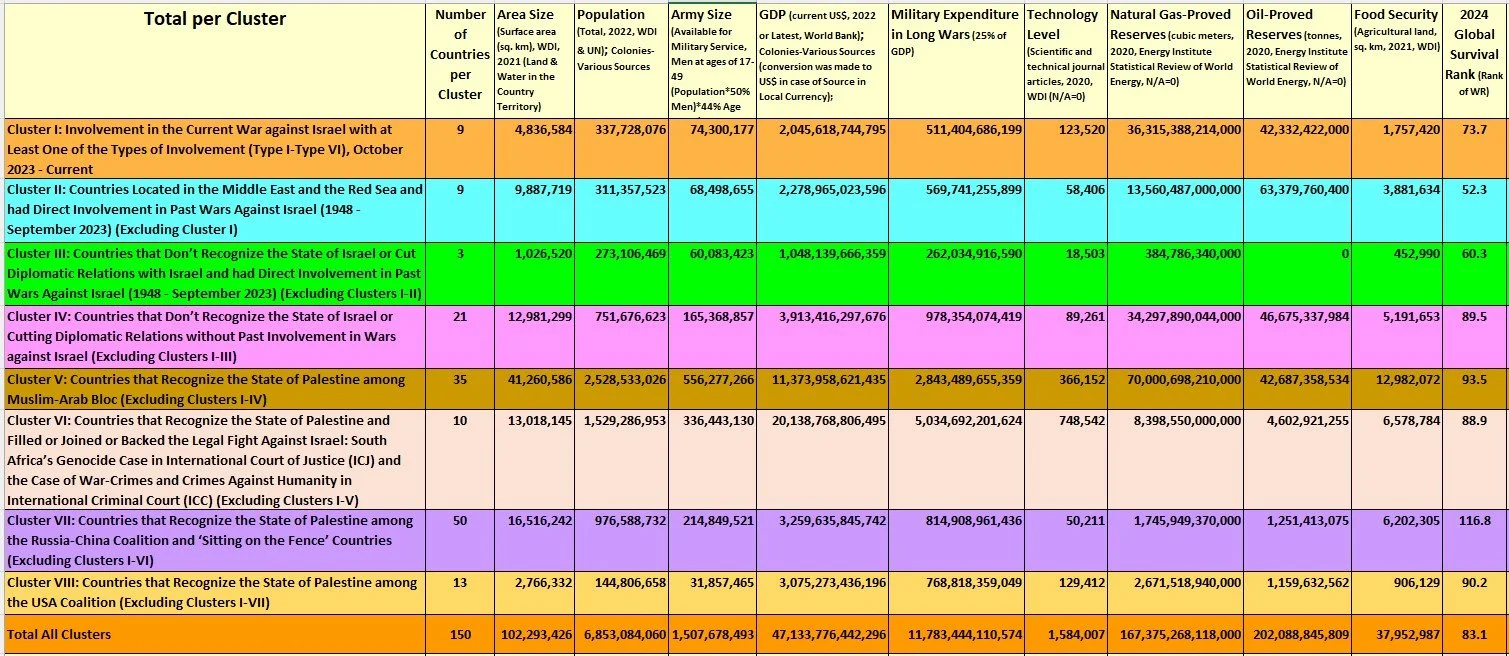
However, the Cluster Analysis brings to light the scope of the Risk for Israel in continuing with the current Attrition War against the ‘Anti-Israel Coalition’, or worse, dragging into an All-Out-War, as shown in Table 14. below that presents the Summary of All Clusters, sorted by 2024 Global Survival Rank. Hence, the Cluster Analysis gives a clear indication of the significant pool of countries that have the motivation and interests to assist Palestine in its military fight against Israel, with the aim of ending the Israeli occupation to establish the State of Palestine as an Independent Country. Above all, the Cluster Analysis not only demonstrates which country may assist Palestine in its war against Israel, but it also reveals how it happened via the Jumping Up Process From Lower Priority Clusters to Higher Priority Clusters until Reaching the Top Cluster I, such as in the case of Colombia (see Chart 2). In other words, with each day that passes, more and more countries jump from Lower Priority Clusters to Higher Priority Clusters, still, we can definitely know about the countries that Openly joined the war against Israel via their declarations, while we can only speculate about the countries that join Secretly the war against Israel, either via Indirect Military Involvement or Volunteering Military Involvement or even via Informal war or Informal Sanctions.
Table 14. Summary of All Clusters, sorted by 2024 Global Survival Rank
Nevertheless, there is a big difference between the current Attrition War and an All-Out-War in terms of the number of countries that will be involved in the All-Out-War against Israel from the side of the ‘Anti-Israel Coalition’. More specifically, if Israel invades Lebanon to stop the daily attacks by Hezbollah on the Northern border of Israel, then more countries will join Openly the Direct War against Israel via a Formal Army, such as Iran and Afghanistan that already declared about it (see Appendix IV), still, Iran is already involved in the current war mainly via Indirect Military Support, while as far as we know, Afghanistan is not involved in the current war, so Afghanistan currently includes in Cluster IV with the prospect to jump to Cluster I in the case of All-Out-War. Even though, we can assume that additional countries from the Muslim-Arab Bloc (Cluster V) will join the All-Out-War against Israel with various Types of Involvement, either Openly or Secretly.
In light of the above, if Israel invades Lebanon, then without doubt we will get an All-Out-War, still, the big question is whether the All-Out-War Inevitable and even more importantly, if indeed Israel controls whether will be an All-Out-War or not. In other words, if we assume that Israel controls the occurrence of the All-Out-War, then if Israel invades Lebanon, will erupt an All-Out-War, and if not, it won’t happen. However, the assumption that Israel controls whether will be an All-Out-War or not is not so clear and obvious due to three scenarios that lead to three assessments that contradict each other. Thereby, the First Scenario is based on the assumption that Hezbollah does not want an All-Out-War, but only an Attrition War in trying to push Israel to leave Gaza, so based on this scenario, Israel controls the occurrence of the All-Out-War. However, the Second Scenario is based on the opposite assumption namely, that Hezbollah makes daily attacks against Israel in trying to push Israel to invade Lebanon in order to get the opportunity to take revenge against Israel via All-Out-War. In other words, the Second Scenario is based on a Pretext Scenario namely, the Israeli invasion of Lebanon will give an excuse to Hezbollah and its allies to make harsh attacks against Israel to create serious devastation in Israel as Revenge for what Israel has done in Gaza. Nevertheless, the Third Scenario is based on a surprise attack against Israel by the ‘Anti-Israel Coalition’ in the style of the surprise attack by the Hamas on 10/2023. Considering the above, the First Scenario seems more reasonable to everyone, yet paradoxically, each day that passes without ending the current Attrition War increases the likelihood of the Second Scenario of Pretext for Revenge and even the Third Scenario of Surprise Attack, which signals about the possibility of an All-Out-War without that Israel has control over the event.
To summarize, the Cluster Analysis gives a clear indication that Israel can not afford the occupation of Palestine from every conceivable angle. Worse, the Cluster Analysis signals the high risk for Israel in the case of an All-Out-War or even in continuing with the current Attrition War that may lead to an All-Out-War without Israel having control over the event. Importantly, since the start of the current war on 07 October 2023, more countries were added to Cluster VII and Cluster VIII when they recognized the State of Palestine, while each day, other countries jumped from Lower Priority Clusters to Higher Priority Clusters, yet we lack to know about which countries reached the Cluster I when they joined Secretly the current war against Israel.
Israel, indeed, has a very powerful ally, the USA, yet even the USA will not be able to 'Save’ Israel from harsh destruction if erupts an All-Out-War in the Middle East. Worse, if the USA and other allies of Israel will join the All-Out-War to ‘Protect’ Israel, then we can assume that other superpowers and powerful countries will also join the ‘Anti-Israel Coalition’ with various Types of Involvement, which will worsen the situation of Israel in terms of casualties and devastation, regardless of the risk for WWIII if the All-Out-War will get out-off control. Hence, the ideology of the ‘Greater Israel’ that the current Israeli far-right government has embraced, is a very dangerous illusion for Israel, because it has led to ‘Smallest Israel’ instead of ‘Greater Israel' due to displaced areas amid the current War, which will even enlarge in the case of All-Out-War. Thus, it is better for Israel to end the occupation of Palestine over reaching the point of an All-Out-War that will lead to a ‘Broken Israel’.
6. Appendices
Appendix I. Thousands of Palestinians Detained in Israel
Appendix II. Map of First Lebanon War (1982)
Appendix III. Map of Second Lebanon War (2006)
Appendix IV. Afghanistan’s ruling Taliban Announced about their Intention to Deploy Troops to Fight against Israel with Hezbollah
Appendix V. Historical MPs of Hezbollah in the Lebanese Parliament
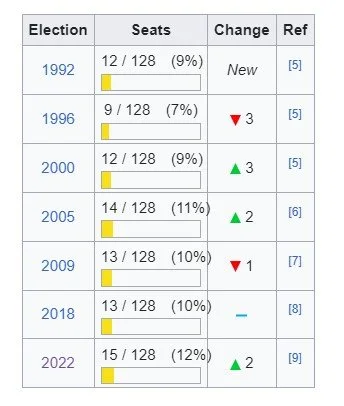
Source: Wikipedia
Appendix VI. Current Lebanese Parliament
The Political Party of Hezbollah - ‘Loyalty to the Resistance Bloc’ - won 15 Seats in the Lebanese Parliament in the 2022 General Election of Lebanon
Source: Wikipedia
Appendix VII. Current Lebanese Government
The Political Party of Hezbollah - ‘Loyalty to the Resistance Bloc’ - has 2 Ministers the Lebanese Government: Minister of Public Works and the Minister of Labour
Appendix VIII. Map of the Partition of the Military Control in Lebanon: The Formal Army of Hezbollah in Lebanon versus the Formal Army of Lebanon
The Pink Area refers to the Major Control of the Formal Army of Hezbollah in Lebanon, while the White Area refers to the Major Control of the Formal Army of Lebanon
Appendix IX. Map of North Yemen and South Yemen Before the Unification of Yemen in 1990
Appendix X. North Yemen and South Yemen: Estimation of Current Population and Area Size
Note, North Yemen and South Yemen are not included in the 2024 Global Survival Rank (GSR) but only Yemen, which is reflected the Unification of North Yemen and South Yemen, yet ignored the Yemen Civil War that has led de-facto to Disunification of Yemen. (See also Risks Timeline by Dr. Ziva Rozen-Bakher, 28 January 2024, Houthi Problem: Historical Perspective https://www.rozen-bakher.com/timeline-risks/28/01/2024/1044).

Appendix XI. Casualties Figure in Gaza War, Date 24 June 2024
Appendix XII. Map of the Middle East
Appendix XIII. Map of the Red Sea
Appendix XIV. Iran's Range of Ballistic Missiles
Appendix XV. Arab League ceases labeling Hezbollah ‘terrorist organization’
Appendix XVI: Map of Coalitions: Russia-China Coalition versus USA Coalition
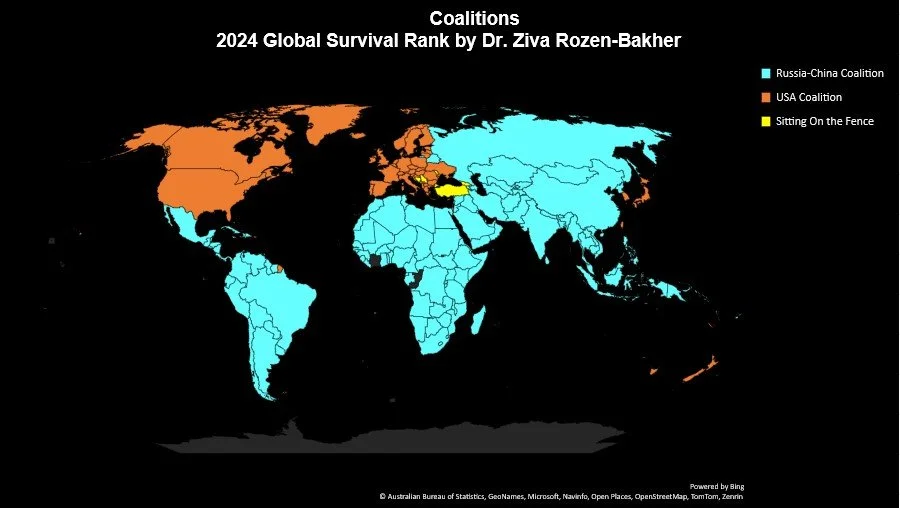
Appendix XVII: Maps of Determination of Coalitions: Russia-China Coalition versus USA Coalition
Appendix XVIII. Military Clash between Israel and Egypt at Rafah Crossing, May 2024
Appendix IXX. Border Shooting between Israel and Egypt, June 2023
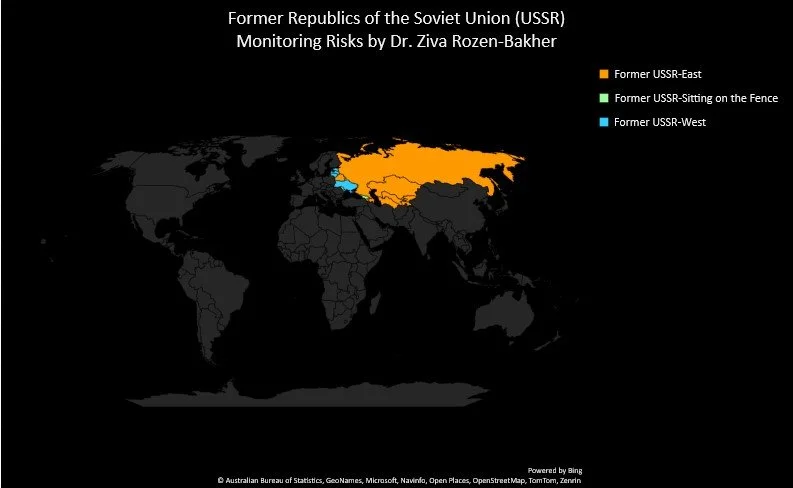
Appendix XX. Map of Former Republics of the Soviet Union (USSR) by Current Geopolitics Status
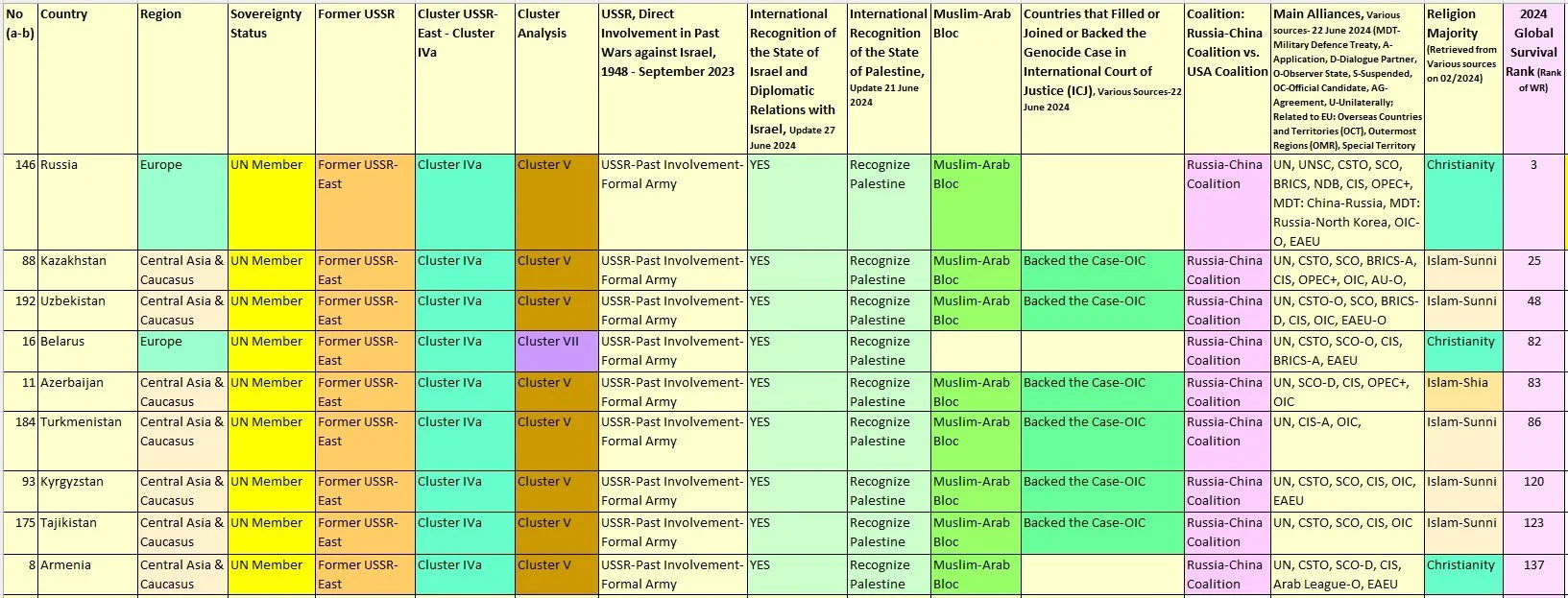
Appendix XXI. Cluster IVa: Cluster of Former USSR-East Countries
Cluster IVa - Former USSR-East Countries that Had Direct Involvement in Past Wars against Israel (1948 - September 2023), yet Currently Recognize the State of Israel and the State of Palestine (Excluding Clusters I-III)
USSR was involved in past wars against Israel via a formal army during the period when the USSR did not recognize the State of Israel. However, the USSR dissolved in 1991, so the USSR is not included in the Cluster Analysis, still, this Appendix presents Cluster IVa that takes into account two Criteria: Criteria B and Criteria D namely, countries that were involved in past wars against Israel, yet currently recognize the State of Israel, still only among Former USSR-East countries due to the distinction between Former USSR-East and Former USSR-West (see Appendix XVIII). Hence, if we look at the Cluster Analysis, then the classification of the Former USSR-East countries has a higher priority compared to their classification in the Cluster Analysis, such as in the case of Russia that is classified as Cluster IVa as a Former USSR-East Country, while as Cluster V in Cluster Analysis.
Appendix XXII. Religion Majority among Muslim-Arab Bloc
Appendix XXIII. North Thunder military Drill of Peninsula Shield Force of GCC
"North Thunder military exercises begin in Saudi Arabia" Gulf News.
Appendix XXIV. An Embargo on OIL by OPEC in 1973
Appendix XXV. Iran Warns of ‘Obliterating War’ if Israel Launches an Offensive in Lebanon
Appendix XXVI. How US, UK, France and Jordan came to Israel’s rescue as Iran attacked
Appendix XXVII. Weekly Mass Pro-Palestine Protest in North Yemen by Houthis
7. Additional Recommended Reading
Publications - Dr. Ziva Rozen-Bakher https://www.rozen-bakher.com/publications/
Risks Timeline by Dr. Ziva Rozen-Bakher: Comments on Contemporary Risks. Risks Timeline by Dr. Ziva Rozen-Bakher: https://www.rozen-bakher.com/timeline-risks
Monitoring Risks by Dr. Ziva Rozen-Bakher to Analyse in-Depth Security & Political Risks and Economic & Strategic Risks. Monitoring Risks by Dr. Ziva Rozen-Bakher: https://www.rozen-bakher.com/monitoring-risks-1
Monitoring Alliances by Dr. Ziva Rozen-Bakher: Monitoring Military, Political, Economic and Trade Alliances that Have an Impact on Global Order and Geopolitics. Monitoring Alliances by Dr. Ziva Rozen-Bakher: https://www.rozen-bakher.com/monitoring-alliances
Global Survival Rank by Dr. Ziva Rozen-Bakher: Yearly Rank to Compare the Global Political Power among Countries, Alliances and Coalitions to Survive Long Wars at the Military Level, Economic Level, and Political Level. Global Survival Rank by Dr. Ziva Rozen-Bakher https://www.rozen-bakher.com/global-survival-rank-zrb
Global Risks by Dr. Rozen-Bakher: Stimulating Thinking ‘Out of the Box’ on Ongoing Global Problems that have no Clear Solutions. Global Risks by Dr. Ziva Rozen-Bakher: https://www.rozen-bakher.com/global-risks
Blog on Foreign Direct Investment (FDI) and International Trade by Dr. Ziva Rozen-Bakher to Identify Risks versus Opportunities at the Country Level. Blog on FDI and International Trade by Dr. Ziva Rozen-Bakher, by Date: https://www.rozen-bakher.com/blog-all
Twitter-X Lists of Dr. Ziva Rozen-Bakher to Identify Security & Political Risks and Economic & Strategic Risks. Twitter-X Lists: Dr. Rozen-Bakher’s Twitter Lists https://www.rozen-bakher.com/twitter-lists-gr
Relevant Research Papers, Reports and Analysis From the Research Activity of Dr. Ziva Rozen-Bakher:
Rozen-Bakher, Z. (2021). A Regime Type as a Location Factor of FDI: Democracy, Communism, Absolute Monarchy, Religious Regime, and Military Regime. Unpublished Research Paper, PD5. https://www.rozen-bakher.com/unpublished-research-papers/pd5
Monitoring Risks by Dr. Ziva Rozen-Bakher, 17 February 2022, Iran Nuclear Deal https://www.rozen-bakher.com/monitoring-risks/17/02/2022
Monitoring Risks by Dr. Ziva Rozen-Bakher, 6 February 2022, Israel - Apartheid State? https://www.rozen-bakher.com/monitoring-risks/06/02/2022
Risks Timeline by Dr. Ziva Rozen-Bakher, 14 May 2024, The Wrong Military Decision-Making of Israel to Release the Hostages From Hamas by Land Military Operation Instead of Negotiation https://www.rozen-bakher.com/timeline-risks/14/05/2024/0745
Risks Timeline by Dr. Ziva Rozen-Bakher, 11 May 2024, How Many Countries Back the Self-Determination of Palestine?: 143 Countries or 153 Countries or 167 Countries? https://www.rozen-bakher.com/timeline-risks/11/05/2024/0837
Risks Timeline by Dr. Ziva Rozen-Bakher, 07 May 2024, ‘USA Senate International Court’: The Obstruction of Justice by USA Senate via Threatening to Impose Sanctions against International Criminal Court (ICC) https://www.rozen-bakher.com/timeline-risks/07/05/2024/0644
Risks Timeline by Dr. Ziva Rozen-Bakher, 06 May 2024, Organization of Islamic Cooperation (OIC) called its 57 member states to impose sanctions Against Israel: Which Countries will Join the Sanctions? https://www.rozen-bakher.com/timeline-risks/06/05/2024/0932
Risks Timeline by Dr. Ziva Rozen-Bakher, 03 May 2024, Saudi Arabia: Normalization with Israel or Sanctions against Israel? https://www.rozen-bakher.com/timeline-risks/03/05/2024/2007
Risks Timeline by Dr. Ziva Rozen-Bakher, 03 May 2024, Is Bahrain Joined the Hamas War against Israel?: The ‘Informal War’ against Israel https://www.rozen-bakher.com/timeline-risks/03/05/2024/1114
Risks Timeline by Dr. Ziva Rozen-Bakher, 17 April 2024, Is Israel can Afford the Occupation of Palestine?: ‘Soft Extinction’ versus ‘Hard Extinction’ https://www.rozen-bakher.com/timeline-risks/17/04/2024/0634
Risks Timeline by Dr. Ziva Rozen-Bakher, 14 April 2024, King of Jordan: Not for Long? https://www.rozen-bakher.com/timeline-risks/14/04/2024/1539
Risks Timeline by Dr. Ziva Rozen-Bakher, 02 April 2024, Forthcoming Revenge against Israel by Muslim-Arab Bloc due to Israeli Attack against Iranian Consulate in Damascus https://www.rozen-bakher.com/timeline-risks/02/04/2024/0908
Risks Timeline by Dr. Ziva Rozen-Bakher, 24 March 2024, Houthi’s Black List in the Red Sea: Vessels From Countries that Don’t Recognize the State of Palestine https://www.rozen-bakher.com/timeline-risks/24/03/2024/0701
Risks Timeline by Dr. Ziva Rozen-Bakher, 12 March 2024, Do We Have an Islamic Resistance of Jordan? https://www.rozen-bakher.com/timeline-risks/12/03/2024/0555
Risks Timeline by Dr. Ziva Rozen-Bakher, 16 February 2024, Embargo on Oil: The Weapon of Organization of Islamic Cooperation (OIC) against Israel and its Allies amid Israeli Attack in Gaza https://www.rozen-bakher.com/timeline-risks/16/02/2024/1850
Risks Timeline by Dr. Ziva Rozen-Bakher, 12 February 2024, Egypt-Israel Peace Treaty is Not For Long Under Rafah Bombarding by Israel https://www.rozen-bakher.com/timeline-risks/12/02/2024/0323
Risks Timeline by Dr. Ziva Rozen-Bakher, 06 February 2024, Starvation as a War-Weapon: The Case of Palestine https://www.rozen-bakher.com/timeline-risks/06/02/2024/0751
Risks Timeline by Dr. Ziva Rozen-Bakher, 01 February 2024, Islamic Resistance in Iraq (IRI): Iraq Formally Joined the Military Campaign against Israel and USA Bases in the Middle East https://www.rozen-bakher.com/timeline-risks/01/02/2024/1205
Risks Timeline by Dr. Ziva Rozen-Bakher, 28 January 2024, Houthi Problem: Historical Perspective https://www.rozen-bakher.com/timeline-risks/28/01/2024/1044
Risks Timeline by Dr. Ziva Rozen-Bakher, 26 January 2024, Which Countries Backed South Africa’s Case in ICJ that Israel Committing Genocide in Gaza: Clear Indication for Change in the Global Order https://www.rozen-bakher.com/timeline-risks/26/01/2024/1620
Risks Timeline by Dr. Ziva Rozen-Bakher, 31 December 2023, OPEC+: Brazil Formally Moved From the ‘West Family’ to the ‘East Family’ https://www.rozen-bakher.com/timeline-risks/31/12/2023/0855
Risks Timeline by Dr. Ziva Rozen-Bakher, 13 December 2023, Israel-Hamas War https://www.rozen-bakher.com/timeline-risks/13/12/2023/1835
Risks Timeline by Dr. Ziva Rozen-Bakher, 04 July 2023, To Be or Not to Be State of Israel: Ending the Occupation of Palestine https://www.rozen-bakher.com/timeline-risks/04/07/2023/1312
Risks Timeline by Dr. Ziva Rozen-Bakher, 28 June 2023, Pogroms by Jewish Settlers against Palestinians https://www.rozen-bakher.com/timeline-risks/28/06/2023/1016
Risks Timeline by Dr. Ziva Rozen-Bakher, 21 June 2023, The Civil War between Israeli Settlers and Palestinians in the Occupied Territory of Palestine https://www.rozen-bakher.com/timeline-risks/21/06/2023/1115
Risks Timeline by Dr. Ziva Rozen-Bakher, 20 June 2023, Iran: The Palestinian Merger between Palestinian Islamic Jihad (PJI) and Hamas https://www.rozen-bakher.com/timeline-risks/20/06/2023/0732
Risks Timeline by Dr. Ziva Rozen-Bakher, 15 June 2023, China, Saudi Arabia and Iran: Palestine https://www.rozen-bakher.com/timeline-risks/15/06/2023/1715
Risks Timeline by Dr. Ziva Rozen-Bakher, 30 May 2023, Egypt: The Dramatic Shift from USA Ally to Russia-China Ally https://www.rozen-bakher.com/timeline-risks/30/05/2023/1031
Risks Timeline by Dr. Ziva Rozen-Bakher, 15 May 2023, When Army Officers Should Refuse Orders? https://www.rozen-bakher.com/timeline-risks/15/05/2023/0919
Risks Timeline by Dr. Ziva Rozen-Bakher, 14 May 2023, Risk of Revenge: Israeli Occupation of Palestine https://www.rozen-bakher.com/timeline-risks/14/05/2023/0906
Risks Timeline by Dr. Ziva Rozen-Bakher, 11 May 2023, Netanyahu Illusion: Arab Coalition against Israel Instead of Arab Coalition against Iran https://www.rozen-bakher.com/timeline-risks/11/05/2023/0801
Risks Timeline by Dr. Ziva Rozen-Bakher, 01 May 2023, 75th Anniversary of Israel: What’s Go Wrong? https://www.rozen-bakher.com/timeline-risks/01/05/2023/0519
Risks Timeline by Dr. Ziva Rozen-Bakher, 10 March 2023, Restoring Diplomatic Relations between Iran and Saudi Arabia https://www.rozen-bakher.com/timeline-risks/10/03/2023/1951
Risks Timeline by Dr. Ziva Rozen-Bakher, 30 January 2023, Israeli Far-Right Government will Flam the Middle-East: AlAqsa ‘Takeover’ as a Symbol https://www.rozen-bakher.com/timeline-risks/30/01/2023/0838
Risks Timeline by Dr. Ziva Rozen-Bakher, 03 January 2023, Is the old Bromance between Putin and Netanyahu will help Israel to Avoid Military Conflicts in its Backyard? https://www.rozen-bakher.com/timeline-risks/03/01/2023/0448
Risks Timeline by Dr. Ziva Rozen-Bakher, 28 December 2022, The Power of the ‘Arab Street’ related to Israeli Occupation of Palestine: The Case of Jordan https://www.rozen-bakher.com/timeline-risks/28/12/2022/1703
Risks Timeline by Dr. Ziva Rozen-Bakher, 22 December 2022, Russia and Iran: Syria https://www.rozen-bakher.com/timeline-risks/22/12/2022/0450
Risks Timeline by Dr. Ziva Rozen-Bakher, 16 December 2022, The Risky Israeli ‘National Sport’: Iran https://www.rozen-bakher.com/timeline-risks/16/12/2022/0650
Risks Timeline by Dr. Ziva Rozen-Bakher, 09 December 2022, Why Russia and China are wooed after Iran?: Military Capabilities of Iran https://www.rozen-bakher.com/timeline-risks/09/12/2022/1826
Risks Timeline by Dr. Ziva Rozen-Bakher, 21 November 2022, The Risk for Failure of Israeli Intelligence https://www.rozen-bakher.com/timeline-risks/21/11/2022/1348
Risks Timeline by Dr. Ziva Rozen-Bakher, 05 October 2022, Iranian Drones: ‘New Rules of Game’ https://www.rozen-bakher.com/timeline-risks/05/10/2022/0936
Risks Timeline by Dr. Ziva Rozen-Bakher, 17 September 2022, The Risk of Israeli Provocations in Syria Under Russia-Iran Alliance https://www.rozen-bakher.com/timeline-risks/17/09/2022/0919
Risks Timeline by Dr. Ziva Rozen-Bakher, 03 September 2022, The Tragedy of the Israeli Win in Six Days War: Invading Palestine and Egypt Territories without any Defence Reason but Only Because of the Military Capabilities to Do It https://www.rozen-bakher.com/timeline-risks/03/09/2022/0413
Risks Timeline by Dr. Ziva Rozen-Bakher, 01 September 2022, Iran Nuclear Deal Under Iranian President Raisi https://www.rozen-bakher.com/timeline-risks/01/09/2022/1714
Risks Timeline by Dr. Ziva Rozen-Bakher, 28 May 2022, The SAVAK Paradox: Has the Bad Memory of SAVAK, the Iranian Security Service of the Shah, Stabilized for Long the Regime of the Islamic Republic of Iran? https://www.rozen-bakher.com/timeline-risks/28/05/2022/1846
Risks Timeline by Dr. Ziva Rozen-Bakher, 27 May 2022, Iraq and Iran: Israel https://www.rozen-bakher.com/timeline-risks/27/05/2022/2100
Risks Timeline by Dr. Ziva Rozen-Bakher, 26 May 2022, The Risk for Oil Tankers War - 'Lose-Lose Scenario': Do We Need Pirate-Military Units? https://www.rozen-bakher.com/timeline-risks/26/05/2022/2138
Risks Timeline by Dr. Ziva Rozen-Bakher, 02 May 2022, The Huge Mistake of Netanyahu-Trump: The USA Withdrawal From the Nuclear Deal Led to a Regime Transformation in Iran From a Progressive Leader to a Hardliner Leader https://www.rozen-bakher.com/timeline-risks/02/05/2022/1752
Risks Timeline by Dr. Ziva Rozen-Bakher, 15 April 2022, Religionphobia due to Religion Restrictions: Ecology Perspective https://www.rozen-bakher.com/timeline-risks/15/04/2022/0339
Risks Timeline by Dr. Ziva Rozen-Bakher, 10 April 2022, Is Iran Succeeded to Bypass the West Sanctions? https://www.rozen-bakher.com/timeline-risks/10/04/2022/0716
Risks Timeline by Dr. Ziva Rozen-Bakher, 08 April 2022, What Israel could Learn From its History regarding the Occupation of Palestine?: Resistance versus Terrorism https://www.rozen-bakher.com/timeline-risks/08/04/2022/1828
Risks Timeline by Dr. Ziva Rozen-Bakher, 05 March 2022, The Significant Gap between the West and Iran to Revive the Iran Nuclear Deal https://www.rozen-bakher.com/timeline-risks/05/03/2022/0913
Rozen-Bakher, Z. (2004). The Perception of the Israeli Jewish Feminism in relation to Palestinian Women in light of the Ongoing Conflict Between the Jewish and the Palestinian People. M.A. Working Paper, University of Haifa
Rozen-Bakher, Z. (2000). The Impact of the Gulf War on the Israeli Threat Perception: Implications for the Israeli Security Policy. M.A. Working Paper, University of Haifa